
Getting Tech Events Listed in USA: A Practical Checklist
A clear, tech-focused guide to listing your event in the USA. Learn the steps, options, and pitfalls with concrete examples for better visibility.

This guide helps technology teams and event organizers understand how to get your event listed in the USA without guesswork. It focuses on practical steps, credible channels, and concrete checks that matter to tech readers. You'll learn what to prepare, where to publish, and how to avoid common listing mistakes.
First, identify your audience and the tech niche your event serves. Then map out the submission requirements for major listings. Finally, align your content, timing, and follow-up to maximize visibility among developers, researchers, and industry buyers.
By the end, you’ll have a runnable plan: the right listing sources, a concise event description, and a timeline that keeps your submission moving from draft to live.
- Identify the best tech listings for your event and prepare a concise, accurate description.
- Use credible platforms with clear requirements and align content to target tech audiences.
- Plan the submission with a calendar, ready assets, and a quick follow-up process.
Basics of listing your event
Define your event type
Start with a precise event type: conference, workshop, or webinar. Clear classification helps filtering by interest and platform compatibility. This improves how your submission is perceived by organizers and attendees. You can start by looking for reputable places to get your event listed in the USA to build initial visibility.
Describe the format, expected audience size, and the tech focus. Mention any keynote speakers or notable sponsors to establish credibility. Keep the core objective simple and easy to verify.
Include a brief schedule outline and delivery method (in-person, virtual, hybrid). Platforms often require this to determine technical needs and accessibility.
- Identify event category clearly
- List primary tech focus and audience
- Outline core schedule and format
Submit to reputable channels
Choose listings that match your audience and region. Start with national tech sites, then add niche or local portals. Quality listings attract stronger attendance from your target segments.
Prepare standard assets: a concise description, key bullet points, and a high-quality banner. Use consistent terminology across all listings to reinforce your brand.
Track where your submissions land and note any required follow-ups. Timely responses to requests improve trust and expand your reach.
- Prioritize platforms with tech audiences
- Maintain consistent descriptions and visuals
- Keep a tight follow-up schedule
How listings affect reach
Impact on discovery
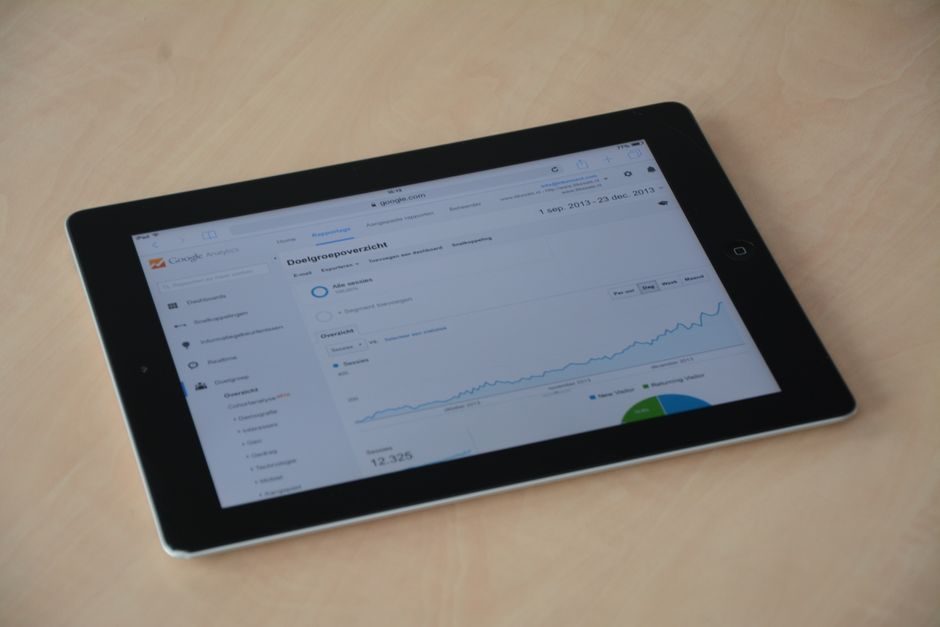
Effective listings improve search visibility for your event topics. This helps developers, researchers, and buyers discover your session without direct outreach. A consistent listing footprint creates trust among readers. The Online Gamer News website can be a useful addition if your event touches gaming technology or esports hardware.
Different platforms attract different segments; tech conferences may pull in attendees from security, AI, and cloud groups. Align your description to these interests and avoid generic language.
Timing matters: publish early enough for early-bird visibility, but avoid windowing that misses last-minute attendees. Balance broad reach with targeted promotion.
- Listings boost topic discoverability
- Platform mix targets diverse groups
- Optimize timing for visibility
Quality signals for organizers
Clear abstracts, speaker bios, and a defined agenda signal professionalism. Include links to technical papers or speaker profiles if allowed. This reduces back-and-forth and speeds approval processes.
Consistency across listings builds trust; mismatches raise questions about accuracy. Double-check dates, venues, and formats before submission.
Follow-up can improve outcomes; polite reminders after 3-5 days keep momentum without pressure. Record common inquiries to refine future submissions.
Pitfalls to avoid
Inaccurate details
Mismatched dates or locations cause confusion and erode trust. Always verify venue names, times, and virtual access links before hitting publish. Inaccuracies ripple across all listings and marketing channels. If you want broader reach, consider how to submit your business in the USA across industry directories and local portals.
Overstating lineups or attracting sponsors without confirmation damages credibility. Keep promised speakers and sponsors realistic until contracts are signed.
Hidden costs or hidden access rules create friction for attendees. Disclose registration requirements and any ticketing constraints up front.
- Verify every date and place
- Avoid unconfirmed speakers
- Be transparent about access
| Option | Pros | Cons |
|---|---|---|
| National tech sites | Broad reach to developers; credible audience | Can be crowded; longer approval times |
| Niche forums | Tighter topic alignment; faster edits | Smaller reach; less polish required by some platforms |
| Local tech meetups | Community presence; high relevance | Limited scale; regional focus may miss national audience |
Platform differences
Not all listings use the same fields. Some require long-form descriptions; others prefer bullet points. Adapt content rather than duplicating a single template.
An event listed on a platform with low relevance wastes effort. Focus on sources that align with your technical domain and audience.
Poor media assets undermine value; use clean banners and legible fonts. Replace outdated visuals promptly to preserve a professional image.
Create a media pack with a banner, headshots, and a 1-page technical brief.
Tips to streamline the process
Prepare in advance
Assemble a standard submission kit: a 150-200 word event blurb, 5-7 bullet features, a speaker roster, and a keynote title. Store templates for quick edits. Local classifieds in the USA often complement tech listings with regional accessibility and regional attendee networks.
- Draft event blurb ready
- Have speaker list finalized
- Prepare banner and images
- Schedule submission dates
Create a media pack with a banner, headshots, and a 1-page technical brief. Having ready assets speeds up listings and reduces last-minute stress.
Set a publication calendar aligned with your marketing plan. Coordinate with speakers to confirm availability well before the window opens.
- Templates for blurbs and bullets
- Ready media pack
- Publication calendar
Engagement after listing
Monitor engagement metrics on each listing page. Track clicks, registrations, and share of voice in conversations about your topic. Use the data to fine-tune future submissions.
Respond promptly to inquiries about the event. Clear answers reduce friction for interested attendees. Consider a brief FAQ to address common questions.
Coordinate cross-promotion with partners and sponsors. Co-authored posts or joint notices can expand reach beyond single platforms.
Advanced listing strategies
Boosted visibility tactics
Start with a targeted approach that matches your event type to the most relevant platforms. Prioritize listings that reach decision makers in your field, and tailor descriptions to highlight technical content and practical takeaways. Use consistent metadata so your event appears in related searches and category filters. USA obituaries is a sensitive topic and should be handled with discretion in any content that touches regional narratives.
- Inaccurate dates or locations; verify every detail
- Vague topics that don’t show technical scope; add concrete sessions
- Missing speaker bios or technical depth; include links to talks or papers
Align your listing dates with industry calendars and peak planning times to maximize exposure. Include technical specifications, speaker bios, and session outlines to provide depth for tech readers. Regularly refresh the listing with new milestones to keep it relevant.
Ensure your listing supports multiple formats, including a concise summary for dashboards and a detailed section for tech blogs. Provide modular content that editors can reuse in newsletters and social posts. A well-structured listing reduces follow-up work for editors and increases your chances of inclusion.
- Target platforms with strong tech communities
- Provide complete session details
- Keep metadata consistent
- Update content as plans evolve
- Offer media-ready assets
Editorial fit and credibility
Editors look for events that offer tangible value to practitioners. Frame your listing around case studies, demos, or hands-on labs that appeal to engineers and researchers. Include practical outcomes and measurable goals to deter vague promises.
Demonstrate credibility through speaker qualifications, affiliations, and verified sponsorships. Provide links to past talks or published materials to back up claims. A transparent listing helps editors trust the event’s relevance to a technical audience.
Coordinate with your content team to align the event story with platform guidelines. A consistent voice across listing, press releases, and promotional material signals professionalism and readiness for editorial coverage.
Regional and local focus
Local ecosystem mapping
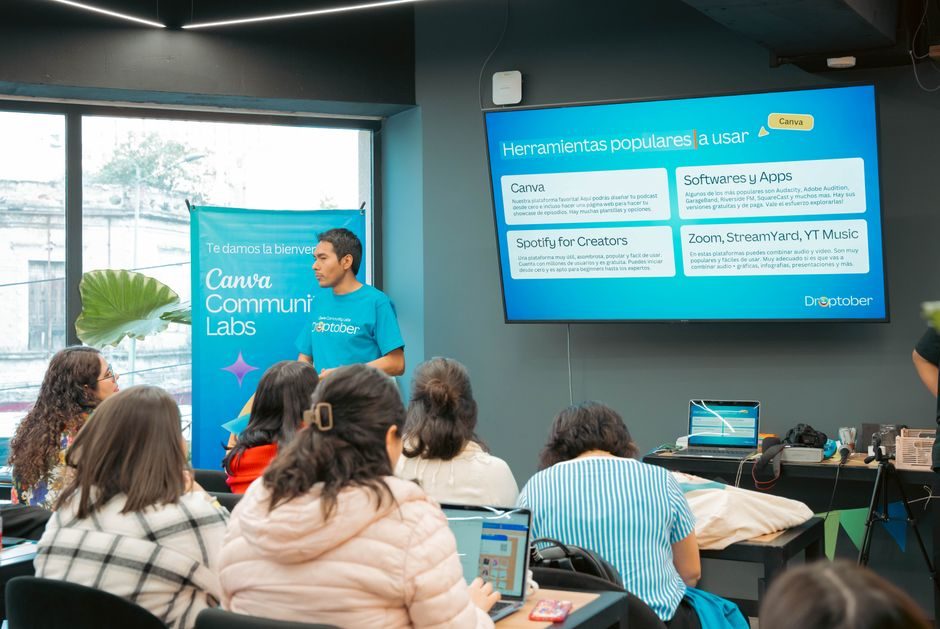
Identify regional tech hubs where your topic resonates, such as universities, research institutes, or industry clusters. Tailor listings to address local challenges and opportunities, not just generic themes. Local context helps readers connect quickly with the material.
Partner with local media and professional associations to extend reach. Use city-specific tags, languages, and accessibility options that reflect the audience. Demonstrating local relevance increases chances of inclusion in regional roundups.
Provide a clear calendar view for nearby attendees and a separate page for virtual attendees. Include travel tips, venue accessibility notes, and times that align with typical work hours in the region.
- Map nearby tech clusters
- Use regional tags and accessibility options
- Coordinate with local outlets
- Offer both local and virtual tickets
Measuring success and iteration
KPIs that matter
Define what success looks like beyond attendance, such as editor pick status, social engagement, and post-event coverage. Track the longevity of a listing, including follow-up inquiries and subsequent referrals to your site. Use qualitative feedback from readers to refine future listings.
Set up lightweight dashboards that highlight changes over time. Monitor how edits to your listing influence click-through rates and editorial interest. Use this data to justify iterative tweaks to headings, tags, and session descriptions.
Document lessons from each listing cycle to build a repeatable process. Create a checklist for future events that captures what worked, what didn’t, and how to adjust messaging for technical readers. When you treat listings as a product, improvement compounds.
- Attendance is not the only success metric
- Use editor feedback for refinement
- Maintain a living checklist
- Iterate with data-driven edits
Ethics and accessibility in listings

Inclusive listing practices
Design listings that welcome a diverse audience, including accessibility features, captions, and language options. Document any accommodations early so readers know what to expect and how to participate. Clear accessibility information reduces confusion and expands potential attendance.
Be transparent about sponsorships, affiliations, and potential conflicts of interest. Disclose any paid placements or partnerships that influence listing content. Readers trust clear boundaries between editorial and promotional material.
Foster a respectful, professional tone in all description sections. Avoid hype, sensational claims, and unverifiable statements. A well-mannered listing reflects the technical seriousness of the event.
- Provide accessibility details
- Disclose sponsorships and affiliations
- Maintain professional tone
Frequently asked questions
How do I choose the right listings to target?Start by mapping your event’s core tech focus to platforms favored by developers and engineers. Prioritize sites that publish technical content, drafts, and speaker bios. Align your outreach with editors who cover your domain to maximize candid editorial interest.
What details must a listing include to be useful?Provide a precise title, location, date, and a clear session outline. Include speaker names and bios, links to related materials, and a short technical summary that explains what attendees will learn. Update any changes promptly.
How should I handle accessibility information?State available accessibility options, captioning, and language support upfront. Include venue accessibility notes and any remote participation details. This transparency helps readers plan and reduces last-minute questions.
What constitutes ethical listings?Show sponsorships or affiliations clearly and avoid unverifiable claims. Maintain a professional, factual tone, present only verified information, and separate promotional content from editorial listings.
Take the next step confidently
Review this checklist and pick one listing platform to optimize first. Create a core description that fits multiple channels and keep your targets realistic for the next four weeks.
Plan a short, editor-facing pitch that highlights a single technical angle, a practical session, and a speaker with solid credentials. Then test it with one regional outlet before broadening outreach.
Add Crypto News as a preferred source on Google


