
How to promote your event on BookMyShow: a tech buyer’s guide
A practical guide for tech-focused readers on promoting an event using BookMyShow, with steps, strategies, and pitfalls to navigate for clear results.

Promoting an event on BookMyShow can reach a tech-aware audience if you use precise targeting and clear messaging. This guide shows how to plan, execute, and optimize campaigns without relying on guesswork. You’ll learn practical steps, common mistakes to avoid, and ways to measure impact with data you already have.
Start with the basics: define your event’s tech angle, audience, and goals. Then map this to BookMyShow’s tools, such as listing details, pricing tiers, and promotional add-ons. Finally, test small variations to learn what resonates and scale what works.
The focus here is practical clarity for engineers, developers, and tech marketers who want reliable, repeatable results. You’ll get concrete actions, example workflows, and quick checks you can apply to future events. By the end, you should feel confident promoting an event on BookMyShow with a repeatable process.
- Plan with a tight tech lens: define audience, value, and outcomes before listing. Use precise language and structured details to improve discoverability.
- Test variations methodically and track the right metrics across BookMyShow’s tools and your own analytics stack.
- Diversify channels and add-ons to balance reach and cost, and monitor results daily early after launch to adjust quickly.
Foundations for success on BookMyShow
Define your tech angle
Start with a clear tech angle that matches your audience’s interests. Describe the event’s value in a line and expand with a brief agenda. Use concrete outcomes like demos, hands-on sessions, or Q&As to build relevance. promote your event in Hampshire
Identify who benefits most from the event—developers, analysts, or product teams—and tailor the messaging to that group. Align ticket tiers and perks with what these attendees value, such as early access, exclusive materials, or workshop credits.
Avoid vague promises; be specific about what attendees will learn and gain, and frame it as a practical takeaway they can apply after the event. This helps BookMyShow listings stand out.
- Targeted audience description
- Clear value proposition
- Specific takeaways
- Defined ticket perks
- Practical outcomes
Crafting a compelling listing and promotion plan
Optimize listing details
Write a precise title and subtitle that reflect the tech focus of the event. Include practical keywords that potential attendees would search for, such as ‘API,’ ‘security demo,’ or ‘cloud workshop.’ To learn more, consider the Hampshire Paper online for local audience exposure.
Fill in the event description with sections: overview, agenda, speakers, prerequisites, and outcomes. Use bullet points for quick scanning and ensure accessibility of dates and venue.
Set expectations with a transparent refund policy and clear ticketing limits to avoid confusion and build trust.
- Clear tech-focused title
- Structured agenda and outcomes
- Transparent policies
Promotion plan and channels
Decide which BookMyShow features to use: standard listing, featured placement, or promotional add-ons. Consider complementary channels like developer forums or local tech groups to extend reach.
Create a simple experiment plan: run one listing variant at a time, track click-throughs, and compare conversion rates. Use this data to refine descriptions and perks.
Monitor performance daily for the first 72 hours after going live and adjust budgets or messaging if clicks are strong but signups lag.
- Feature vs add-on strategy
- Variant testing plan
- Daily monitoring and adjustment
Tech-focused options and pitfalls
Choosing promotional add-ons
Promotional add-ons can boost visibility without overhauling content. Use limited-time discounts or bundled access to exclusive sessions to create urgency. promote your business in Hampshire
Evaluate the cost against expected lift using historical data from similar events or industry benchmarks you can validate within your organization. If you lack data, start with small, controlled tests to avoid large waste.
- Discounted tiers
- Early-bird perks
- Bundle access
| Option | Pros | Cons |
|---|---|---|
| Standard listing | Simple to set up | Limited visibility if not boosted |
| Featured placement | Higher visibility | Costs can scale quickly |
| Promotional add-ons | Flexible pricing | Requires careful budgeting |
Common missteps to avoid
Avoid vague claims or overpromising outcomes. Tech audiences expect measurable benefits and concrete demos. Provide a clear path from registration to learning results.
Don’t rely on a single channel. Diversify to reduce risk and use channel-appropriate messaging. Keep tracking consistent across channels so you can compare apples to apples.
- Overpromising outcomes
- Single-channel promotion
- Inconsistent tracking
Run a short post-event review to learn what resonated: was the tech angle clear, was the agenda compelling, and did the registration path stay simple?
Best practices and practical tips
Measurement and iteration
Define a small set of success metrics before you publish, such as signups per day and attendee source. Use BookMyShow analytics alongside your site data to track funnel health. A useful resource on this topic: used items for sale in Hampshire.
Run a short post-event review to learn what resonated: was the tech angle clear, was the agenda compelling, and did the registration path stay simple?
Document findings so you can reuse the approach for future events and shorten the sprint from idea to live listing.
- Signups per day
- Attendee source tracking
- Post-event review
Tips for consistency and security
Keep data handling compliant with platform rules and local laws. Use strong access controls for your BookMyShow account and related assets.
Maintain consistency across listings and marketing materials so tech audiences see a coherent message. Regularly audit links, tickets, and support channels to minimize friction.
- Compliance and privacy
- Consistent messaging
- Regular audits
Advanced targeting on booking platforms
Audience segmentation strategies
Targeting starts with clear audience segments. Identify event type, location, and price tier to shape messaging and visuals. Use platform analytics to refine who actually buys tickets and who drops off at checkout. place an obituary in Hampshire
- Create audience segments before listing on the platform.
- Track which segments convert and allocate budget to the top performers.
- Regularly refresh creatives to match shifting audience interests.
For tech events, consider engineers, students, and hobbyists as distinct segments, then tailor ad copy and imagery. Test variations to see which segment converts best, and adjust budget accordingly.
Build a simple buyer persona for your event: their needs, objections, and preferred channels. This helps craft messages that feel relevant, not generic, and keeps campaigns efficient.
- Define at least three audience segments
- Match pricing to segment willingness
- A/B test one message at a time
- Monitor conversion by segment
- Scale what works
Integrating event data with tech systems
Connecting data to CRM and CMS
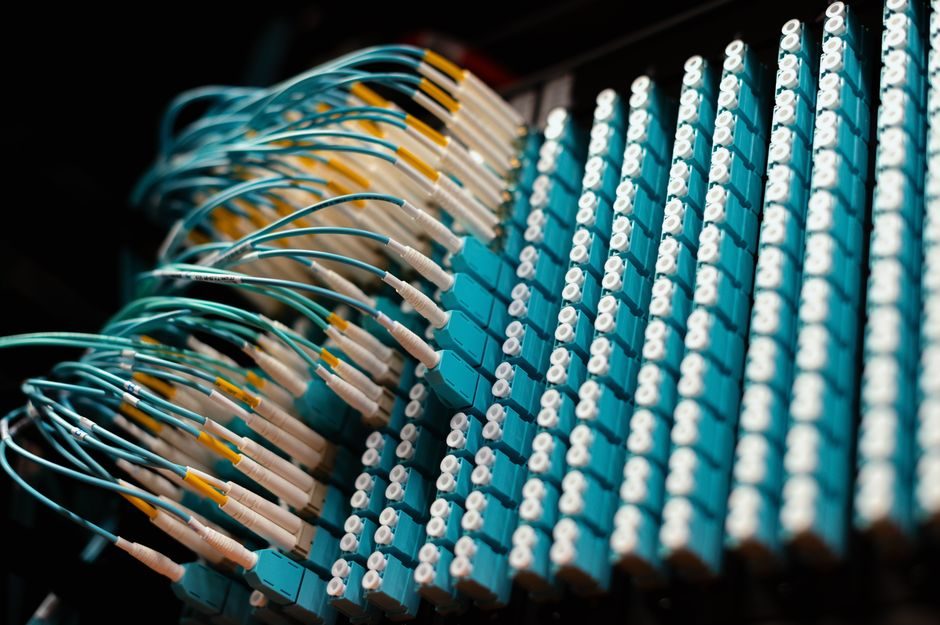
Event data should flow into your CRM and content management system with minimal friction. Use standardized fields for title, date, venue, and capacity to avoid mismatches. Automations can trigger follow-ups when ticket sales hit thresholds.
- Use consistent field names across tools.
- Automate updates to key records.
- Confirm data integrity after major changes.
Integrations reduce manual errors and speed up post-event outreach. Set up webhook alerts for price changes or sell-out status so your team reacts quickly.
Document data mappings and update them whenever you change booking settings. Regular audits prevent data drift that harms reporting.
- Map key fields to CRM
- Use webhooks for alerts
- Schedule periodic data audits
- Automate follow-up messages
- Respect data privacy rules
Post-promotion analytics and ROI
Measuring campaign impact
Define success by ticket velocity and engagement, not vanity impressions. Track click-through, checkout completion, and revenue within a defined time window. Use cohort analysis to see how different messages perform over time.
Compare baseline performance to post-promotion results to isolate the effect of your BookMyShow activity. Look for changes in abandonment rate at checkout and average order value.
Use a simple ROI model: revenue minus promotion costs, divided by costs. Keep the model transparent so teams can adjust tactics without guesswork.
- Track key metrics
- Run cohort comparisons
- Compute a clear ROI
- Identify bottlenecks
- Adjust spend quickly
Future-proofing event marketing
Sustainable content and formats
Develop evergreen promotional assets that stay useful across events. Short videos, value-led descriptions, and clear CTA work well on booking platforms and social feeds. Update creatives when your event or venue changes.
- Keep reusable templates for listings.
- Refresh visuals with venue updates.
- Maintain accessibility across formats.
Plan a mix of formats: static banners, animated previews, and live Q&A sessions to keep content fresh without large production cycles.
Align with broader tech trends, such as mobile-first experiences and accessible design, so promotions stay effective as platforms evolve.
- Create evergreen assets
- Diversify content formats
- Prioritize mobile-friendly design
- Maintain accessibility standards
- Schedule regular refreshes
Frequently asked questions
How soon should I start promoting on BookMyShow before an event?Begin the promotion several weeks before tickets go live, then ramp up as the launch approaches. Early content sets expectations, while late-stage promotions push urgency. Track which days drive the most clicks and adjust budgets accordingly.
What if my event doesn’t sell as expected on the platform?Reassess the listing and pricing, run a targeted message test to find a resonant angle, and adjust the creative. Consider limited-time offers or bundle tickets with add-ons to stimulate demand while preserving overall value.
How can I protect attendee data when integrating systems?Only collect needed data, use secure connections, and apply role-based access. Regularly review permissions, and ensure you comply with relevant privacy rules during data transfers.
Are there pitfalls to avoid with BookMyShow promotions?Overloading the listing with conflicting messages can confuse buyers. Keep a single clear CTA per asset, test incrementally, and avoid relying on a single channel for all outreach.
Conclusion
Takeaways: Start with precise audience segments, ensure data flows cleanly between systems, and measure outcomes with simple ROI framing. Treat each promotion as an experiment that informs the next.
Next step: run a controlled test for your next tech event on BookMyShow, then scale what proves effective while keeping assets fresh and accurate.

Add Crypto News as a preferred source on Google


