
Smart Guide to Aydın güneş paneli kurulum süreci for Tech readers
A practical, technology-focused buyer’s guide on installing solar panels, with clear steps, pros and pitfalls for engineers and hobbyists alike.

This guide helps technology readers understand the Aydın güneş paneli kurulum süreci in practical terms, focusing on what matters for planning, compatibility and reliability. You’ll learn the concrete steps, common checks, and decision criteria that separate smooth installations from delays. Expect actionable steps, no hype, and clear tradeoffs for different home setups.
We’ll start with the basics of grid-tied versus off-grid designs, then compare mounting options and inverter choices. The goal is to give you a framework for evaluating products and services without guessing at outcomes. By the end, you’ll know what questions to ask and how to verify performance claims.
If you’re assessing a solar project for a tech-enabled home or small business, this guide translates the installation process into a sequence you can audit. It emphasizes predictable failures to avoid and practical tactics to keep projects on track. Realistic planning matters as much as panel quality.
- Plan the installation by defining grid-tied versus off-grid needs and confirming mounting location early.
- Choose an inverter and storage that match your load profile and future expansion plans, with attention to safety and permits.
- Evaluate quotes with a focus on long-term performance and warranties, not just upfront price.
- Foundational design choices
- System integration and safety
- Cost and performance reality checks
- Implementation pitfalls and risk management
- Performance analytics and data access
- Emerging tech and future upgrades
- Vendor selection and service levels
- Final checklist and procurement plan
- Frequently asked questions
- Conclusion
Foundational design choices
System type selection
Choosing between grid-tied and off-grid designs sets the rest of the project. Grid-tied systems usually rely on existing utility structure and permit faster return on investment, while off-grid setups demand battery storage and deeper load analysis. Your choice should align with energy goals, reliability needs, and local incentives. Aydın güneş paneli kurulum süreci can be a guide for understanding how to plan and execute a solar project with a tech-minded approach.
- Define grid-tied vs off-grid early to shape components.
- Match system size to real load and future plans.
- Plan for expansion to avoid costly rework later.
Evaluate the expected load profile: peak daytime usage vs evening demand affects inverter and battery sizing. Inverter efficiency curves matter for long-term energy yields, especially in variable weather. This step narrows down equipment lists before you shop.
Consider future expansion: adding more panels or storage later should influence initial wiring and controller compatibility. A future-proof plan reduces retrofit risk and cost.
Mounting and location
Location determines sun exposure, shading risk, and maintenance access. Fixed mounts are reliable but less flexible than tracking systems, which can boost output but add complexity. The best choice balances roof condition, angle, and local weather patterns.
Assess roof age, material, and waterproofing as part of the mounting plan. Proper flashing and sealing prevent leaks and sustain long panel life. Inspect mounting hardware corrosion resistance for regional climates.
Document a clear path for wiring from panels to the inverter and battery (if used). A tidy route reduces damage risk and simplifies future inspections.
System integration and safety
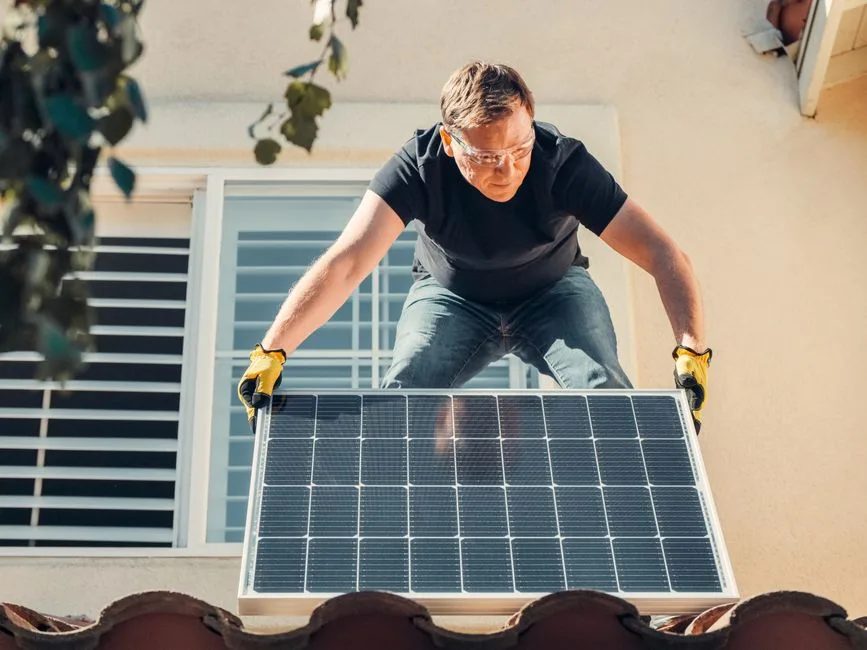
Inverter and storage pairing
The inverter converts DC to usable AC for your home, and its type affects efficiency and compatibility with storage. String inverters are common and reliable, while microinverters offer modular benefits for shading issues. Battery storage adds resilience but increases system complexity.
Check compatibility with your existing electrical panel and safety devices. A correctly rated AC disconnect and proper grounding protect both people and equipment. Ensure firmware can handle future grid standards and safety updates.
Plan for monitoring: a dedicated app or gateway helps you track performance, detect anomalies, and optimize maintenance schedules. Real-time data supports quick troubleshooting and better energy planning.
Electrical safety and permits
Solar installations must meet local electrical codes and utility requirements. A permit process often includes inspections that verify wiring, grounding, and overcurrent protection. Skipping steps increases risk for homeowners and complicates insurance claims.
Coordinate with a licensed electrician when wiring between the panel and the house. Proper labeling and clear schematics help future service work. Keep documentation of permits and test results for warranty and resale.
Be mindful of fire safety: ensure accessible shutoffs, clear space around inverters, and safe routing of cables away from heat sources. Routine maintenance checks improve long-term safety and performance.
Cost and performance reality checks
Evaluating quotes and warranties
Compare quotes on a like-for-like basis, focusing on module efficiency, warranty terms, and expected annual yield. Look beyond sticker price to long-term costs and maintenance needs. A robust warranty reduces future risk and repair costs.
Understand what performance guarantees cover, such as degradation rates and peak output. Ask for independent efficiency ratings and lab-tested claims rather than marketing figures. Warranties should be transferrable if you sell the property.
Plan for removal and replacement costs at the end of life; some programs fund recycling or have decommissioning clauses. Transparent documentation helps you assess true lifetime value and risk.
| Option | Strengths | Tradeoffs |
|---|---|---|
| Grid-tied, no storage | Lower upfront cost, simpler install | No backup power during outages, depends on utility tariffs |
| Grid-tied with storage | Backup power, better self-consumption | Higher initial cost, more maintenance |
| Off-grid with storage | Complete independence, resilience | Very high upfront and ongoing costs |
Operational costs versus savings
Estimate the annual energy production using your climate data and roof orientation. Realistic estimates prevent overinvestment in equipment that won’t pay back quickly. Compare with current electricity tariffs to gauge payback time.
Account for maintenance: inverter firmware updates, cleaning panels, and occasional inspections add to recurring costs. Some vendors include monitoring services that lower management effort but add a monthly fee.
Factor policy incentives only as guidance; incentives vary by region and program timing. Rely on documented program terms rather than assumptions about eligibility.
Ignoring cable routing and drainage can cause water damage or physical wear.
Implementation pitfalls and risk management

Common install mistakes
Rushed installations tend to overlook shading analysis and panel orientation. Accurate site surveys prevent future underperformance. Take time to measure roof angles and exposure before ordering materials.
Ignoring cable routing and drainage can cause water damage or physical wear. Secure conduits and use weatherproof connectors to minimize degradation. Plan at least two separate routes for future maintenance.
Underestimating the complexity of system tuning leads to poor energy yield. Schedule a staged commissioning with testing at every major step. Document results for future reference.
bullets": []
box": {
points": []}
h3":
Performance analytics and data access
Measuring system efficiency clearly
Start with what metrics matter: energy yield, system uptime, and forecast accuracy. Track daily production against weather data to spot performance gaps. Use a standardized dashboard so team members interpret results the same way.
- Collect device-level energy data every 15 minutes to capture subtle trends
- Store data with timestamps and weather context
- Review anomalies within 24 hours and adjust maintenance plans
Follow a baseline method: compare current months to the same period last year, adjusting for seasonality. Document deviations and assign ownership for fixes. Choose metrics that directly influence decisions, not vanity numbers.
Establish access controls so operators can view dashboards without compromising security. Ensure there is a simple export path for analysts to build deeper reports. Prioritize real-time alerts for outages or sudden drops in production.
- Define a baseline yield per kW
- Set alert thresholds for outages
- Create weekly and monthly reports
- Audit data quality regularly
Emerging tech and future upgrades
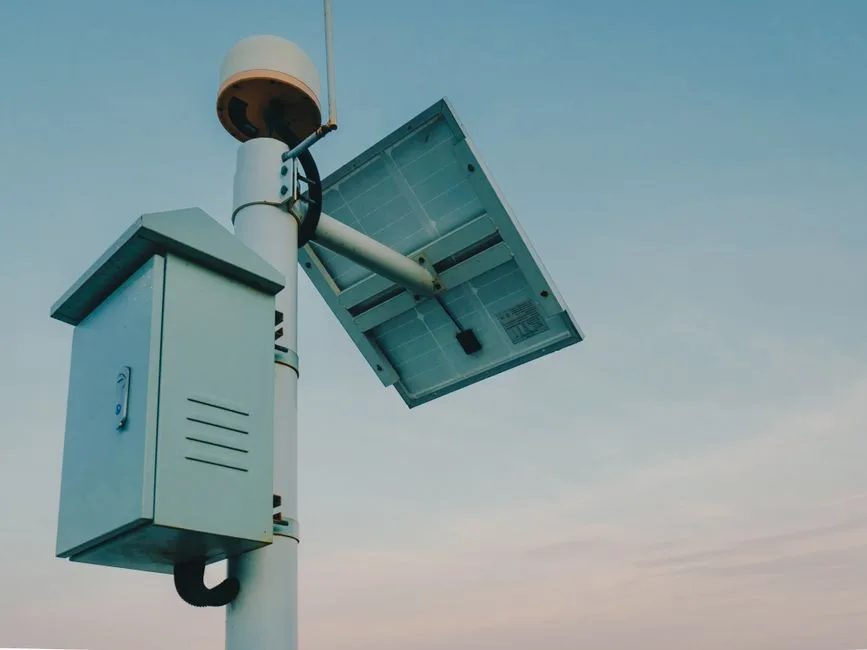
Future-ready solar software upgrades
Plan upgrades around modular software so you can swap in new analytics features without rebuilding the whole system. Prioritize compatibility with common inverters and monitoring boxes. Schedule updates during low-usage windows to minimize disruption.
Assess how AI-driven forecasting could improve ramping and storage decisions. Run pilots to compare against traditional rules-based control. Use outcomes to decide a formal upgrade path.
Document the upgrade lifecycle: what changes, who approves, and how data remains accessible. Ensure rollbacks are possible if new software introduces instability.
- Modular software stack
- Pilot AI forecasting
- Clear upgrade governance
- Rollback capability
Vendor selection and service levels
Choosing a supplier and SLAs
List potential vendors based on compatibility with your hardware and software stack. Request references and examine case studies similar in scale to your project. Compare response times, on-site support windows, and spare-part availability.
Draft a minimal viable SLA that covers monitoring, issue severity levels, and escalation routes. Verify that data ownership and portability clauses are clear. Negotiate performance credits only for well-defined metrics.
Create a decision matrix that weighs cost, support quality, and integration ease. Use a scoring system to reduce bias in the final choice.
- Compatibility checks
- Support responsiveness
- Data ownership terms
- Decision scoring system
Final checklist and procurement plan

Procurement and installation plan
Develop a supplier-approved installation timeline with milestones and acceptance tests. Align hardware orders with lead times and installation labor. Include a commissioning plan that validates performance against spec sheets.
Prepare a risk register covering safety, weather delays, and supply chain gaps. Assign owners for each risk and document mitigation steps. Ensure the plan includes data access setups and security reviews.
Create a budget with contingency lines for unexpected costs and a clearly defined payment schedule. Include a post-installation review to capture lessons learned and improvement opportunities.
- Timeline with milestones
- Commissioning and handover
- Security and data access setup
- Contingency budgeting
Frequently asked questions
What should I ask before signingAsk about compatibility with your current inverters and monitoring dashboards. Confirm data retention policies and export options. Request a clear service level agreement that includes uptime guarantees and response times. Consider downtime during upgrades and whether there is a staged rollout plan. Seek a concise summary for quick reference to avoid miscommunication during critical events.
Are there hidden risks with upgradesUpgrades can introduce compatibility issues or data gaps. Ensure you have a rollback plan and test environments before production. Validate that historical data remains accessible after changes. Coordinate with IT and operations to avoid conflicting changes, and schedule robust testing windows.
What defines good vendor supportGood support aligns with your hours and incident severity. Look for real-time monitoring, rapid diagnostics, and clear escalation paths. Ensure secure remote access and auditable logs, and set defined response times for critical issues.
Data security considerationsData streams from solar hardware can reveal operational patterns. Implement role-based access and encryption for data in transit and at rest. Regularly review logs and anomaly alerts, and plan for secure device decommissioning when assets exit service.
Conclusion
Takeaways: start with data access and a clear upgrade path to keep a solar monitoring system reliable and scalable. Use pilots to validate vendor claims before committing to full-scale procurement. The goal is a plan that stays useful as tech and weather patterns change.
Next steps: finalize procurement strategy, lock in SLAs with clear metrics, and schedule a staged rollout that minimizes risk. Keep governance tight and document decisions for audits and future upgrades.
Add Crypto News as a preferred source on Google


