
What’s on in Dundee: a tech reader’s practical guide
A clear, tech-focused guide to discovering Dundee’s scene, with steps, tips, and cautions for readers exploring technology events, resources, and local options.

Curious about Dundee’s tech and innovation scene? This guide gives you a practical, reader-focused path to explore what’s on in Dundee, with concrete steps you can act on today. You’ll learn where to find events, how to verify a conference’s value, and which local resources matter for technology practitioners. The aim is to help you select meaningful experiences without wasting time or money.
Whether you’re scouting meetups, hack nights, or demos, you’ll get a clear method: identify your goals, check schedules, compare options, and plan follow-ups. The guide prioritizes reliability and usefulness over hype, so you can build a personal calendar that actually benefits your work. You’ll also see how to use Dundee-specific resources to stay informed.
This first half lays the groundwork. You’ll discover how to assess events, locate trustworthy sources, and map opportunities to your projects. The structure mirrors a practical workflow: basics, how to participate, available options, and common pitfalls, all tailored to readers who build or secure technology.
- This guide helps you find and evaluate tech events in Dundee, then turn attendance into concrete work outcomes.
- Follow a practical workflow: basics, participation, options, pitfalls, tips, and ongoing learning.
- Use reliable sources, prepare before events, and map follow-ups to real projects for maximum value.
- The plan balances event formats, venues, and ethical participation while avoiding overcommitment and hype.
Basics for tech-minded explorers
Understanding the local rhythm
Start with the town’s tech calendar and community groups to gauge activity. Look for recurring meetups, workshops, and talks that align with your interests, such as cybersecurity or AI demos. This helps you plan attendance around predictable schedules rather than one-off events. What's on in Dundee is a quick way to orient yourself, but you still need reliable sources.
- Event name and date
- Location and access details
- Target audience and focus
- Registration and cost (if any)
The best starting point is a single, reliable source you can trust for updates. Compare two or three calendars for consistency in event types and times, and note any seasonal peaks. This reduces time wasted chasing scattered information.
Avoid relying on a single channel; cross-check with community forums to catch ad hoc sessions that aren’t listed publicly. A steady habit of verification keeps your planning accurate and efficient.
- Pick a baseline source you trust for Dundee tech events
- Mark recurring events on your calendar
- Cross-check with community forums for updates
- Track changes to venue or time to avoid misfires
Finding your first event
Search for introductory talks or workshops that welcome newcomers. Early sessions set expectations and help you gauge the depth of material and the pacing of speakers. If you’re building a specific skill, choose events that explicitly cover that topic.
Reserve a spot early when possible, and note networking opportunities in your calendar. A beginner-friendly format often includes Q&A segments that illuminate practical workflows. This helps you decide if similar events will benefit you later.
Be prepared with a couple of questions to maximize each session’s value. A focused inquiry saves time and clarifies whether the topic connects to your work.
- Look for beginner-friendly sessions
- Check if topics align with your goals
- Ask targeted questions during Q&A
- Schedule a post-event follow-up
What to do next: how to participate

Engage during sessions
Active listening helps you capture actionable ideas and practical steps. Take brief notes on tools discussed, best practices, and recommended resources. If there’s a live demo, observe how the technology is used in real time. Dundee News website can help verify event details and keep you updated.
Keep questions concise and relevant to your role or project. A focused inquiry often yields clearer guidance than broad, theoretical questions. This approach makes the return to work more immediate and measurable.
Afterward, share a quick digest with colleagues to solidify learning and gain feedback. This practice extends the value of the event beyond your personal takeaway.
Being respectful of time and presenters strengthens your network, making future invitations more likely and more productive.
- Take concise notes on tools and practices
- Ask targeted questions to gain concrete guidance
- Share a brief digest with teammates
- Respect speaker time and stay present
Where to find reliable reviews
Reviews from peers who attended similar sessions offer practical context beyond hype. Look for consistency across multiple opinions about content quality, depth, and applicability. This helps you avoid sessions that sound good but underdeliver.
When evaluating a review, differentiate between superficial impressions and tangible outcomes like code samples, walkthroughs, or templates. Prefer reviews that specify outcomes or measurable benefits.
If you can, compare two or more events’ recorded sessions or slides to assess depth and clarity. The best reviews point to concrete resources and next steps you can take.
Be mindful of selection bias in reviews; seek feedback from a diverse set of attendees to form a balanced view.
- Prioritize reviews with concrete outcomes
- Look for specific examples or materials
- Compare multiple events’ content
- Be aware of potential reviewer bias
Options: choosing formats and venues
Formats that fit your work
In-person events offer hands-on interaction and faster networking, which can accelerate project ideas. They work well when you need rapid feedback or collaboration. For deeper technical topics, consider programs that include code labs or demos. Submit your business in Dundee offers channels for tech providers to share services.
- In-person: fast feedback and networking
- Online: convenience and broad scope
- Hybrid: balance of access and interaction
| Format | Advantages | Drawbacks |
|---|---|---|
| In-person | Fast feedback; strong networking | Time and travel costs |
| Online | Convenience; broad range | Less hands-on interaction |
| Hybrid | Best of both | Requires careful scheduling |
Venues and accessibility
Choose venues that are easy to reach and comfortable for longer sessions. A predictable timetable and good seating help you stay focused. Accessibility features and clear directions reduce time wasted before the event starts.
If a venue has a strict policy on devices or recording, factor that into your planning. You should know what is allowed, what’s prohibited, and where you can store gear safely. These details affect your ability to participate effectively.
Consider nearby workspaces or cafes for post-event work and networking snapshots. A comfortable nearby spot can turn a single session into a productive day.
Be mindful of venue layout and networking spaces; they shape your experience and learning outcomes.
- Choose accessible venues
- Look for sessions with hands-on components
- Check device and recording policies
- Plan nearby work or meetups after
Bring relevant kits, notes, or code snippets so you can practice what you hear.
Pitfalls to avoid
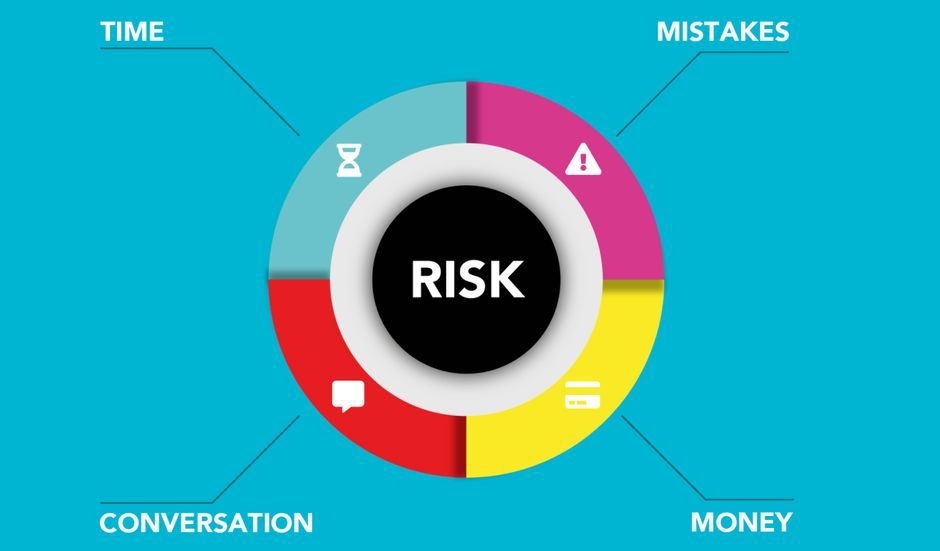
Common misfires
Overpacking a session leads to reduced learning as participants scramble to keep up. Pick sessions with a clear focus that matches your goals. Remember that depth beats breadth in technical topics. Local classifieds in Dundee present practical places to advertise tech gigs and tools.
- ☐ Crowded sessions with vague goals
- ☐ Lack of preparation
- ☐ No clear post-event action
- ☐ Single-source information
Underinvesting in preparation hurts your retention. Bring relevant kits, notes, or code snippets so you can practice what you hear. Practicing on the spot reinforces memory and understanding.
Ignoring follow-up tasks makes attendance feel wasted. Schedule a specific action item after each event to capture value and track progress.
Relying on one source for information can miss opportunities. Cross-check calendars and feed other channels into your planning.
- Avoid crowded sessions with vague aims
- Prepare materials and code snippets
- Do a concrete follow-up task
- Diversify information sources
Tech debts during events
Events can highlight gaps in your tooling or skillset. Use this moment to map a short, concrete improvement plan rather than chasing every trend. Focus on high-impact changes that fit current projects.
Track what you learn in a single, shareable document so your team can align on priorities. A collaborative note helps prevent solo implementation that breaks with group practices.
Avoid jumping to expensive tools; look for open standards, lightweight plugins, or community-supported options that fit your workflow.
Schedule time to review progress and retire ideas that don’t move the needle within a reasonable period.
- Map a short improvement plan
- Create a shared learning document
- Prefer open standards over costly tools
- Review progress regularly
Important local developments
Recent tech infrastructure updates
New fiber expansions reach several districts, improving download speeds for startups and home offices. The changes also matter for public Wi-Fi and smart city experiments. Expect smoother video calls and larger data transfers during events. place an obituary in Dundee is a usable example of how local services intersect with tech outreach and information channels.
- Assuming all parts of the city have equal fiber access; verify local maps before planning events
- Overlooking data security when using public networks; deploy VPNs for demos
- Underestimating power needs of demo gear; bring portable backups and power strips
Municipal updates include new data-centre capacity and a focus on energy efficiency for server rooms. Local teams report steady progress despite supply delays. This matters to tech readers who rely on reliable connectivity for demos and testing.
The goal is to attract tech firms by simplifying access to cheap, fast networks. Businesses that use cloud services will notice less latency during peak hours. Communities can benefit from improved access to digital services and civic apps.
- Assess current neighborhood fiber status before relocating
- Plan demonstrations during off-peak hours to show network stability
- Coordinate with city on public-building access for demos
Tech events calendar

Key conferences and meets
Annual tech gatherings in Dundee gather engineers, students, and investors for hands-on demos. Attendees learn about local research, product pilots, and collaboration opportunities. The mix of talks and workshops gives practical routes to pilot projects.
Nearby universities host regular talks and challenges that mirror industry sprints. These sessions often target software testing, cybersecurity practices, and data visualization. They provide ready-made venues for networking with peers.
Community-led meetups emphasize collaborative problem solving and real-world case studies. Expect short talks followed by roundtables on topics like open source tooling and how to secure development pipelines.
- Register early to secure seats
- Bring business cards and a simple project summary
- Attend after-hours hack sessions for hands-on learning
Career resources in Dundee
Job boards and programs
Local tech hubs curate role listings across software engineering, data analytics, and cyber roles. Many postings come with practical project requirements that test skills rather than certificates. This makes it easier to match your portfolio to offers.
University career centers host mock interviews and portfolio reviews tailored to tech tracks. Participants gain feedback on problem-solving approaches and code readability. Employers often join panels to discuss what they value in applicants.
Networking groups provide mentorship and project collaborations that strengthen resumes. Members share case studies from real deployments, which helps you translate experience into interview-ready narratives.
- Build a focused portfolio with live projects
- Attend career fairs and ask about internship pipelines
- Request informational chats with potential mentors
Security focus and privacy updates

Threat awareness in a city
Local IT teams describe ongoing phishing simulations and ransomware drills to improve incident response. Knowledge of common attack vectors translates into better safer coding practices. Readers can apply these lessons to own projects.
City partners publish guidelines for data handling in public venues and coworking spaces. These rules cover device locking, screen privacy, and secure guest networks. Following them reduces exposure during public demos.
Developers should test encryption defaults and access controls in their apps. Small changes, like multi-factor prompts and strict session timeouts, pay dividends in real-world security postures. It also helps with compliance in regulated environments.
- Review MFA options for your tools
- Use device encryption and strong passwords
- Isolate test networks from production data
Frequently asked questions
Who should consider this Dundee tech guide?Tech readers who want practical, locally grounded advice about events, career resources, and security practices will find it useful. It focuses on concrete steps, venue readiness, and how to translate participation into tangible skills or opportunities.
How often are new events added to the calendar?A steady cadence of updates follows university terms and city program cycles. Readers should check the local tech hub listings a few weeks in advance and plan around major campus demos.
What if I cannot attend in person?Look for virtual components or simulcast talks, and request slide decks or code samples afterward. Use these materials to replicate demonstrations remotely and stay connected with organizers.
How can I protect my project during a public demo?Use a private network, avoid exposing production data, and prepare a quick rollback plan. Document outcomes and collect feedback to improve security and usability in subsequent tests.
Conclusion
Dundee offers a practical testing ground for tech deployments, with a steady stream of events and resources. The most valuable moves are to map local venues to your project needs, verify connectivity, and prepare a concise pitch. Treat each event as a learning sprint with a clear objective.
Build a simple portfolio of local pilots and maintain open channels with mentors and peers. This network helps translate learnings into interview-ready stories and real-world demos. A small, focused plan beats broad ambition every time.

Add Crypto News as a preferred source on Google


