The Evolution of AI in Cybersecurity
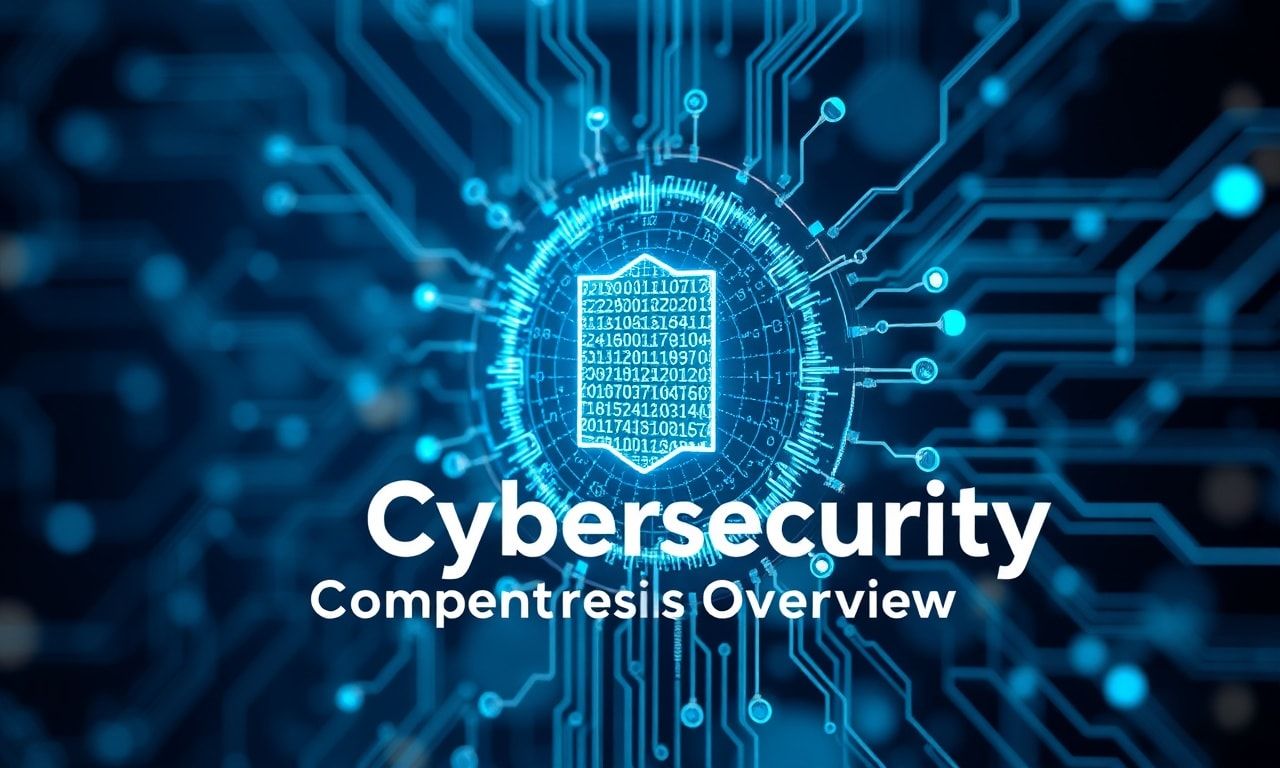
The landscape of cybersecurity is undergoing a significant transformation, driven by the rapid advancements in artificial intelligence (AI). AI technologies are increasingly being integrated into cybersecurity frameworks to enhance threat detection, response times, and overall system resilience. This evolution is crucial in an era where cyber threats are becoming more sophisticated and frequent. The synergy between AI and cybersecurity is not just a trend but a necessity to combat the ever-evolving cyber landscape.
The Role of AI in Threat Detection
One of the most impactful applications of AI in cybersecurity is threat detection. Traditional methods of threat detection often rely on predefined rules and signatures, which can be ineffective against new and unknown threats. AI, particularly machine learning (ML) algorithms, can analyze vast amounts of data to identify patterns and anomalies that may indicate a potential threat. This proactive approach allows organizations to detect and mitigate threats before they can cause significant damage. AI-driven threat detection systems continuously learn and adapt, making them increasingly effective over time.
For instance, AI can be used to monitor network traffic and identify unusual behavior that may indicate a cyber attack. By analyzing data from various sources, AI algorithms can detect anomalies and flag potential threats for further investigation. This capability is particularly valuable in identifying advanced persistent threats (APTs) and other sophisticated attacks that traditional methods might miss. Additionally, AI can help in the detection of insider threats by analyzing user behavior and identifying deviations from normal patterns.
The Importance of Data Privacy
As AI becomes more integral to cybersecurity, the issue of data privacy becomes increasingly important. The use of AI in threat detection often involves the collection and analysis of large amounts of data, which can raise concerns about privacy and data protection. Organizations must ensure that they comply with relevant regulations and guidelines, such as the General Data Protection Regulation (GDPR) in Europe. It is also crucial to implement robust data governance policies to protect sensitive information and ensure that data is used ethically and responsibly.
In addition to regulatory compliance, organizations should consider the ethical implications of using AI in cybersecurity. This includes ensuring that AI systems are designed to respect user privacy and that data is used in a transparent and accountable manner. Organizations should also provide clear information to users about how their data is being collected, used, and protected. By prioritizing data privacy and ethical considerations, organizations can build trust with their users and enhance the overall effectiveness of their cybersecurity measures.
The Future of AI in Cybersecurity
The future of AI in cybersecurity is bright, with numerous advancements on the horizon. One of the most promising areas is the development of autonomous security systems that can respond to threats in real-time without human intervention. These systems can automatically isolate affected systems, block malicious traffic, and initiate countermeasures to neutralize threats. This level of automation can significantly reduce response times and minimize the impact of cyber attacks.
Another exciting development is the use of AI in predictive analytics. By analyzing historical data and identifying trends, AI algorithms can predict potential future threats and vulnerabilities. This proactive approach allows organizations to take preemptive measures to strengthen their defenses and reduce the likelihood of successful attacks. Predictive analytics can also help organizations prioritize their cybersecurity investments by identifying the areas that are most at risk.
Furthermore, AI can play a crucial role in improving incident response and forensics. AI-driven tools can analyze large volumes of data to identify the root cause of an attack, determine the extent of the damage, and provide insights into the attacker’s methods and motivations. This information can be invaluable in improving incident response strategies and enhancing overall cybersecurity posture. AI can also help in the development of more effective countermeasures by analyzing the tactics, techniques, and procedures (TTPs) used by attackers.
The Need for Continuous Learning and Adaptation
As AI continues to evolve, it is essential for organizations to stay up-to-date with the latest developments and best practices. This includes investing in ongoing training and education for cybersecurity professionals to ensure they have the skills and knowledge needed to effectively leverage AI technologies. Organizations should also foster a culture of continuous learning and adaptation, encouraging employees to stay informed about emerging threats and new AI-driven solutions.
Collaboration and information sharing are also crucial in the fight against cyber threats. Organizations should actively participate in industry forums, working groups, and information-sharing platforms to exchange knowledge and best practices. By working together, organizations can build a more robust and resilient cybersecurity ecosystem that is better equipped to tackle the challenges of the future.
Conclusion
The intersection of AI and cybersecurity represents a transformative shift in how organizations protect their digital assets. From threat detection to incident response, AI technologies are enhancing the capabilities of cybersecurity frameworks and enabling organizations to stay ahead of evolving threats. However, the successful integration of AI into cybersecurity requires a holistic approach that addresses technical, ethical, and regulatory considerations. By embracing AI-driven solutions and fostering a culture of continuous learning and adaptation, organizations can build a more secure and resilient digital future.
For those looking to understand the intricacies of return policies in the context of technology purchases, a useful resource is the iade politikası karşılaştırma rehber, which provides a comprehensive comparison of return policies across various platforms and vendors.
To ensure your tech investments are secure, consider reviewing key property buying considerations that can safeguard your assets in the digital age.
As wearable tech continues to evolve, explore the next wave of innovations beyond smartwatches and trackers and their potential impact on our digital lives.
To gain a deeper understanding of how artificial intelligence is shaping our daily lives, dive into AI’s role in tech and its impact on software, gadgets, and cybersecurity.