The Evolution of Cybersecurity
The landscape of cybersecurity has undergone a significant transformation over the past few decades. From the early days of simple antivirus software to the complex, multi-layered defense systems of today, the evolution has been driven by the increasing sophistication of cyber threats. As businesses and individuals become more reliant on digital technologies, the need for robust cybersecurity measures has never been more critical.
The Role of Artificial Intelligence in Cybersecurity
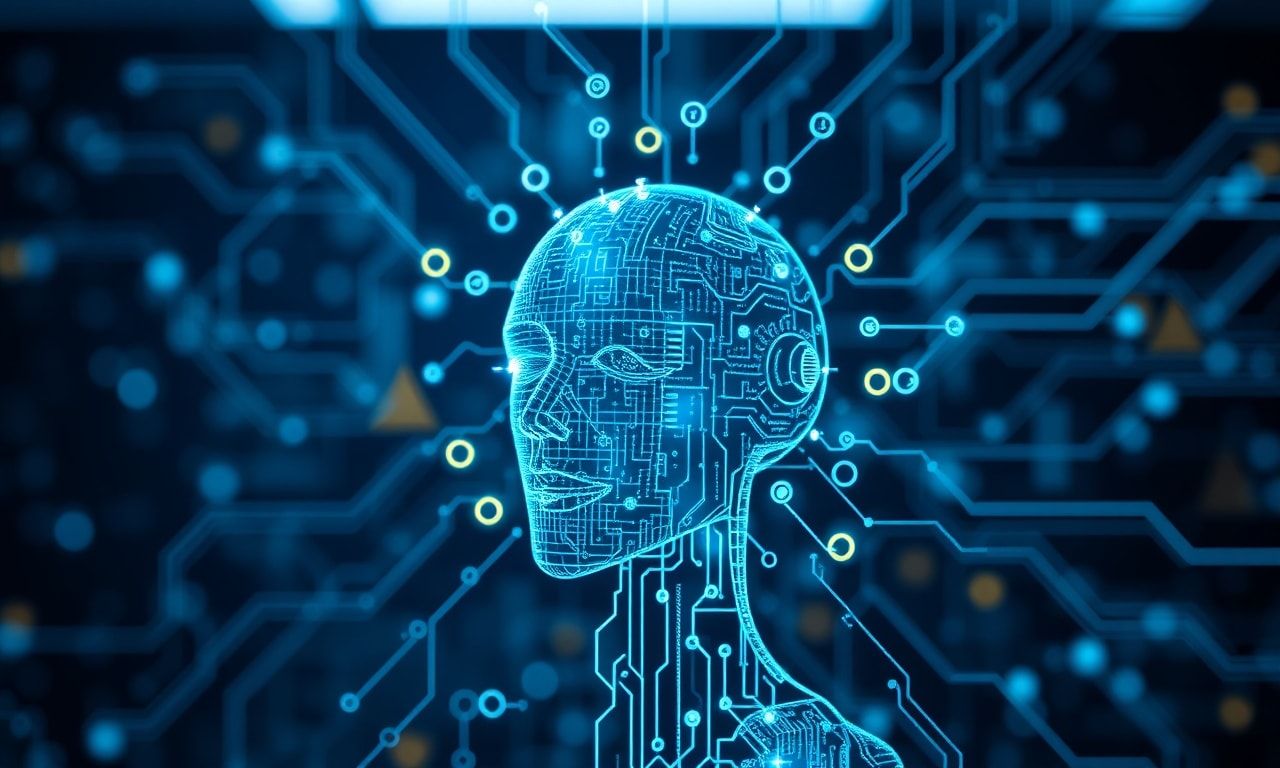
Artificial Intelligence (AI) has emerged as a game-changer in the field of cybersecurity. AI’s ability to analyze vast amounts of data, identify patterns, and make predictions makes it an invaluable tool for detecting and mitigating cyber threats. Machine learning algorithms can be trained to recognize unusual behavior that may indicate a cyber attack, allowing for quicker response times and more effective defense strategies.
One of the most significant advantages of AI in cybersecurity is its ability to adapt and learn from new threats. Traditional cybersecurity measures often rely on predefined rules and signatures to identify threats, which can be easily bypassed by sophisticated attackers. AI, on the other hand, can continuously learn and update its knowledge base, making it much more resilient against evolving threats.
AI-Powered Threat Detection
AI-powered threat detection systems use machine learning algorithms to analyze network traffic, user behavior, and other data points to identify potential threats. These systems can detect anomalies that may indicate a cyber attack, such as unusual login attempts, data exfiltration, or malicious software behavior. By leveraging AI, organizations can significantly reduce the time it takes to detect and respond to cyber threats, minimizing the potential damage.
Automated Response Systems
In addition to threat detection, AI can also be used to automate the response to cyber threats. Automated response systems can quickly isolate affected systems, block malicious traffic, and even patch vulnerabilities without human intervention. This not only speeds up the response time but also reduces the workload on cybersecurity teams, allowing them to focus on more strategic tasks.
The Future of AI in Cybersecurity
The future of AI in cybersecurity looks promising, with advancements in natural language processing, deep learning, and predictive analytics expected to further enhance the capabilities of AI-powered security systems. As AI continues to evolve, it is likely that we will see even more sophisticated and effective cybersecurity solutions that can proactively defend against a wide range of threats.
However, it is essential to recognize that AI is not a silver bullet for cybersecurity. While AI can significantly enhance the effectiveness of cybersecurity measures, it is not a replacement for human expertise and judgment. A balanced approach that combines AI with human intelligence is likely to be the most effective strategy for defending against cyber threats.
The Impact of AI on the Cybersecurity Job Market
The rise of AI in cybersecurity has also had a significant impact on the job market. As organizations increasingly adopt AI-powered security solutions, there is a growing demand for professionals with expertise in both AI and cybersecurity. This has led to a surge in job opportunities in the field, with roles such as AI security analysts, machine learning engineers, and cybersecurity consultants becoming increasingly common.
For those looking to enter the field, there are numerous opportunities available, particularly in tech hubs like Stockholm. With a strong focus on innovation and technology, Stockholm is home to many leading companies in the cybersecurity and AI sectors. For those interested in exploring job opportunities in this dynamic field, checking out Stockholm jobs vacancies openings can be a great starting point.
Conclusion
The intersection of AI and cybersecurity represents a new era of digital defense. By leveraging the power of AI, organizations can significantly enhance their ability to detect, respond to, and mitigate cyber threats. However, it is essential to recognize that AI is not a replacement for human expertise and that a balanced approach is likely to be the most effective strategy. As the field continues to evolve, there will be numerous opportunities for professionals with expertise in both AI and cybersecurity, making it an exciting time to be in the industry.
To stay ahead in the rapidly evolving tech landscape, delve into how the Honda Civic is leading automotive innovation with cutting-edge software and AI integration.
As AI continues to advance, so do the cyber threats that come with it; dive into why we might need a cybersecurity pause in AI to keep up.
As technology continues to reshape industries, it’s crucial to examine how our education system is adapting; discover why education systems struggle with tech in this eye-opening article.