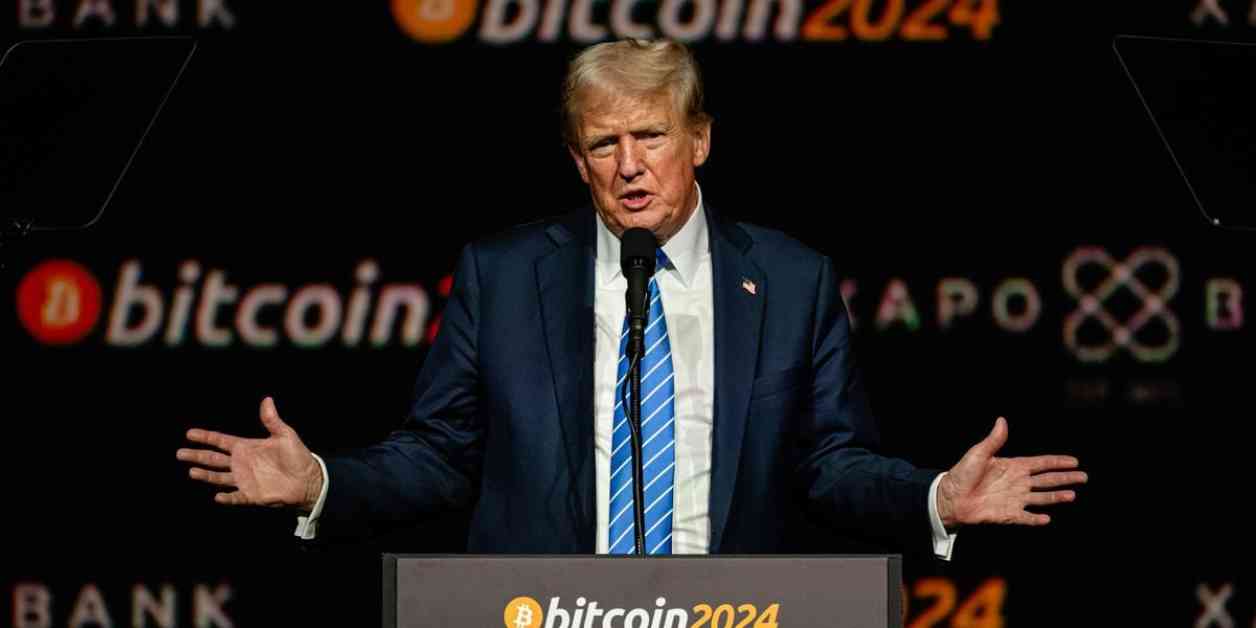
**Donald Trump’s Crypto Holdings and NFT Earnings**
Former U.S. President Donald Trump has recently made headlines for his substantial holdings in the cryptocurrency world, particularly in Ether (ETH), and his impressive earnings from non-fungible tokens (NFTs). According to election disclosures, Trump’s Ether holdings range between $1 million to $5 million, showcasing a significant investment in the popular digital currency.
**Ether Holdings and NFT Licensing Fees**
While the exact amount of Ether in Trump’s possession remains undisclosed in the filings, Arkham Intelligence, a well-known cryptocurrency analytics firm, estimates the value of Trump’s Ether wallet at a substantial $3.6 million. Additionally, the disclosures reveal that Trump has earned a remarkable $7.15 million through a licensing agreement with a company named NFT INT, demonstrating his success in the NFT market.
Moreover, the former First Lady, Melania Trump, has also seen financial gains from the sales of NFTs, with an income of $330,609 attributed to her involvement in the NFT space. The Trump family’s foray into NFTs has been met with significant success, as evidenced by the trading volume of the Trump Digital Trading Cards, which has surpassed 15,808 ETH since their introduction on the OpenSea platform.
**Plans for Future NFT Collections**
In a bold move, Trump announced his intentions to launch another NFT collection in July, further solidifying his presence in the digital asset space. The decision to expand his NFT offerings reflects Trump’s strategic approach to capitalizing on the growing popularity of NFTs and leveraging his brand to generate substantial revenue streams.
Despite his success in the crypto and NFT markets, Trump has remained relatively quiet about these investments in recent public appearances. During a high-profile interview with tech mogul Elon Musk and a subsequent press conference addressing various campaign-related topics, Trump notably omitted any mention of his crypto holdings or NFT earnings, opting instead to focus on other issues at hand.
**The Trump Organization’s Cryptocurrency Initiative**
In a surprising development, the Trump Organization, the umbrella entity for Donald Trump’s business ventures, announced its plans to unveil a cryptocurrency initiative, as reported by CoinDesk. This initiative marks a significant step for the Trump Organization in embracing the digital currency revolution and exploring new opportunities within the crypto space.
The decision to launch a cryptocurrency initiative underscores Trump’s commitment to staying at the forefront of technological advancements and diversifying his business portfolio to include innovative digital assets. With the cryptocurrency market experiencing unprecedented growth and widespread adoption, the Trump Organization’s foray into this sector signals a strategic move to capitalize on the evolving financial landscape.
**Challenges and Opportunities in the Crypto World**
While Trump’s substantial Ether holdings and lucrative NFT licensing deals have garnered attention, the crypto landscape poses both challenges and opportunities for investors and businesses alike. The volatility of the cryptocurrency market, characterized by rapid price fluctuations and regulatory uncertainties, presents a risk factor that must be carefully navigated by industry players.
However, with proper risk management strategies and a comprehensive understanding of the crypto market dynamics, investors like Trump can harness the potential of digital assets to achieve significant financial gains. The emergence of NFTs as a novel asset class with unique value propositions further diversifies investment opportunities in the crypto space, offering a new avenue for creative expression and revenue generation.
**Future Outlook for Trump’s Crypto Ventures**
As Donald Trump continues to expand his presence in the cryptocurrency and NFT markets, his strategic approach to leveraging digital assets for financial growth is poised to yield promising results. With a keen eye on emerging trends and a proactive stance towards adopting innovative technologies, Trump’s crypto ventures are positioned to thrive in an ever-evolving digital economy.
By capitalizing on his Ether holdings, maximizing NFT licensing opportunities, and exploring new cryptocurrency initiatives through the Trump Organization, Donald Trump is cementing his legacy as a forward-thinking entrepreneur in the digital asset space. As the crypto market continues to evolve and mature, Trump’s investments in Ether and NFTs showcase his ability to adapt to changing market trends and drive financial success in the digital age.
In conclusion, Donald Trump’s substantial holdings in Ether and impressive earnings from NFT licensing fees underscore his strategic vision and entrepreneurial acumen in navigating the dynamic world of cryptocurrencies. With plans to launch additional NFT collections and explore new cryptocurrency initiatives through the Trump Organization, Trump’s foray into the crypto space exemplifies his commitment to innovation and financial growth in the digital era.