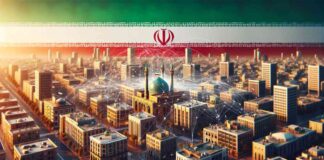
The Digital Age and Cultural Evolution
The rapid advancement of technology has not only revolutionized the way we communicate and work but has also significantly impacted cultural expressions and societal norms. From artificial intelligence to blockchain, technology is reshaping cultural landscapes, creating new forms of art, and influencing how communities interact. This article explores the profound impact of technology on modern cultures, highlighting key innovations and their societal implications.
The Role of AI in Cultural Preservation
Artificial Intelligence (AI) is playing a pivotal role in preserving cultural heritage. AI algorithms can analyze and restore ancient texts, artwork, and historical documents with remarkable precision. For instance, AI-powered tools can reconstruct damaged artifacts and translate ancient languages, making cultural heritage accessible to a global audience. Moreover, AI-driven platforms are being used to create virtual museums and interactive exhibits, allowing people to experience cultural artifacts from the comfort of their homes.
In addition to preservation, AI is also being used to create new forms of cultural expression. AI-generated art, music, and literature are gaining popularity, challenging traditional notions of creativity and authorship. AI algorithms can generate unique pieces of art based on historical data, offering a fresh perspective on cultural heritage. This intersection of technology and culture is not only preserving the past but also paving the way for innovative cultural expressions.
AI in Everyday Life
AI is also transforming everyday life, influencing how we consume and interact with cultural content. AI-powered recommendation systems on platforms like Netflix and Spotify personalize content based on user preferences, exposing individuals to diverse cultural expressions. These systems use machine learning algorithms to analyze user behavior and suggest relevant content, fostering cultural exchange and appreciation.
Furthermore, AI is being used to enhance language learning and translation, breaking down language barriers and promoting cultural understanding. AI-powered translation tools like Google Translate and DeepL provide accurate translations, enabling people to communicate and share cultural experiences across linguistic boundaries. These tools are particularly valuable in multicultural societies, where language diversity is a significant asset.
The Impact of Blockchain on Cultural Industries
Blockchain technology is another innovation that is reshaping cultural industries. Blockchain’s decentralized nature ensures transparency and security, making it an ideal solution for managing digital rights and intellectual property. In the music industry, for example, blockchain platforms like Ujo Music and Mycelia are being used to manage royalties and ensure fair compensation for artists. These platforms use smart contracts to automate royalty payments, reducing the need for intermediaries and increasing transparency.
Blockchain is also being used to verify the authenticity of cultural artifacts and artwork. Blockchain-based platforms like Verisart and Artory provide immutable records of ownership and provenance, preventing forgery and fraud. This technology is particularly valuable in the art world, where authenticity is a critical factor in determining an artwork’s value. By providing a secure and transparent record of ownership, blockchain technology is enhancing trust and confidence in the art market.
Blockchain in Cultural Events
Blockchain technology is also being used to manage cultural events and festivals. For instance, the Şişli kültür etkinlikleri program uses blockchain to streamline ticket sales and manage attendee data. By leveraging blockchain’s decentralized nature, event organizers can ensure secure and transparent transactions, reducing the risk of fraud and enhancing the overall attendee experience.
Moreover, blockchain is being used to create decentralized autonomous organizations (DAOs) that manage cultural projects. DAOs are online communities that use blockchain technology to make collective decisions and manage funds. These organizations are particularly valuable in the cultural sector, where collaborative efforts are often required to bring projects to fruition. By leveraging blockchain technology, DAOs can ensure transparency and accountability, fostering trust and collaboration among community members.
The Future of Technology and Culture
The future of technology and culture is bright, with numerous innovations on the horizon. Virtual reality (VR) and augmented reality (AR) are poised to revolutionize cultural experiences, offering immersive and interactive ways to engage with cultural content. VR and AR technologies can transport users to historical sites, allowing them to experience cultural heritage in a vivid and engaging manner. These technologies are particularly valuable in education, where they can be used to create interactive learning experiences that foster cultural understanding and appreciation.
Furthermore, the Internet of Things (IoT) is transforming cultural spaces, enabling smart museums and galleries that offer personalized and interactive experiences. IoT devices can collect data on visitor behavior and preferences, allowing curators to tailor exhibits and enhance the overall visitor experience. By leveraging IoT technology, cultural institutions can create dynamic and engaging spaces that cater to diverse audiences.
Ethical Considerations
As technology continues to shape cultural landscapes, it is essential to consider the ethical implications of these innovations. For instance, AI-generated art raises questions about authorship and creativity, challenging traditional notions of artistic expression. Similarly, blockchain technology raises concerns about data privacy and security, requiring careful consideration of ethical and legal frameworks.
Moreover, the digital divide remains a significant challenge, with access to technology and the internet still unequal across different communities. Ensuring equitable access to technology is crucial for fostering cultural exchange and appreciation. By addressing these ethical considerations, we can ensure that technology continues to positively impact cultural landscapes, promoting diversity, inclusion, and understanding.
Conclusion
The intersection of technology and culture is a dynamic and evolving landscape, with numerous innovations shaping cultural expressions and societal norms. From AI to blockchain, technology is not only preserving cultural heritage but also paving the way for innovative cultural expressions. As we continue to explore the possibilities of technology, it is essential to consider the ethical implications and ensure equitable access to these innovations. By leveraging technology responsibly, we can foster a more inclusive and culturally rich society.
Dive into the transformative effects of cutting-edge tech with our latest piece, how technology shapes daily life, where we explore the latest innovations in software, AI, and cybersecurity.
Discover the cutting-edge advancements shaping our digital landscape by exploring tech innovations transforming our world, from AI to cybersecurity.
Dive into the evolving landscape of tech-integrated commerce with our latest feature on e-commerce innovations beyond wireless charging, exploring the intersection of cutting-edge tech and online retail.