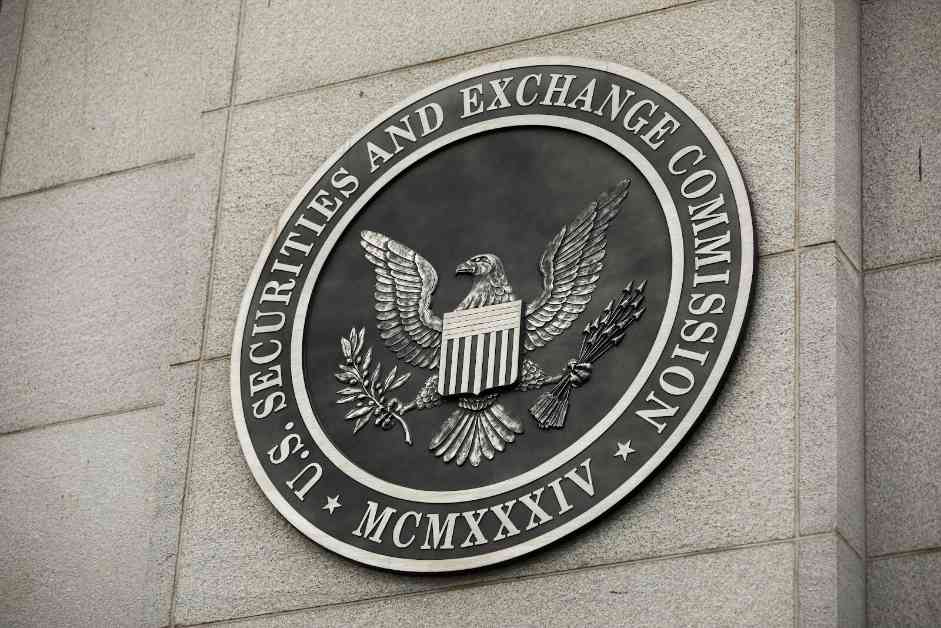
The US Securities and Exchange Commission has taken action against Florida-based investment adviser Galois Capital Management LLC for its failure to properly custody client assets, particularly in relation to cryptocurrencies. The SEC charged Galois Capital with crypto custody violations, including holding investor assets on the now-collapsed crypto exchange FTX.
According to the SEC’s announcement on September 3, Galois Capital failed to comply with crypto custody requirements and violated the Advisers Act. This resulted in nearly half of the assets under management of a hedge fund that Galois advised being lost when FTX imploded. The SEC also highlighted that Galois Capital misled investors on redemption practices, specifically regarding the notice period required for redemptions.
Corey Schuster, co-chief of the SEC Enforcement Division’s Asset Management Unit, expressed concerns about the risks that investors were exposed to due to Galois Capital’s failure to comply with Custody Rule provisions. These risks included the potential loss, misuse, or misappropriation of fund assets, including crypto assets.
In response to the charges, Galois Capital has settled with the regulator and agreed to pay a civil penalty of $225,000. The SEC stated that the fine would be distributed to investors who were harmed during the collapse of FTX. Galois Capital has consented to the entry of an order requiring it to cease and desist from further violations of the Advisers Act, as well as accepting censure.
This enforcement action by the SEC is part of a broader crackdown on violations within the crypto industry. In recent weeks, the SEC has charged Abra with offering unregistered securities and two individuals in connection with a $60 million Ponzi scheme. NFT marketplace OpenSea has also received a Wells Notice from the regulator, indicating potential enforcement action in the future.
The case of Galois Capital serves as a reminder of the importance of proper custody practices in the crypto space. With the increasing popularity of cryptocurrencies as investment assets, ensuring the security and integrity of investor funds is paramount. Investors must be able to trust that their assets are being held securely and in compliance with regulatory requirements.
Impact on Investors
The SEC’s charges against Galois Capital have significant implications for investors who entrusted their assets to the firm. The collapse of FTX, where a substantial portion of investor assets were held, resulted in substantial losses for these investors. The SEC’s enforcement action and the civil penalty imposed on Galois Capital are aimed at providing some measure of restitution to those affected by the custody failures.
Investors in the hedge fund advised by Galois Capital may have been unaware of the risks associated with holding assets on FTX. The SEC’s findings suggest that Galois Capital failed to adequately inform investors about the potential dangers of such custody arrangements. This lack of transparency could have led investors to unknowingly expose their assets to the risk of loss or misappropriation.
The $225,000 civil penalty imposed on Galois Capital will be distributed to investors who suffered losses as a result of the custody failures. While this may offer some compensation to affected investors, the broader impact of the collapse of FTX and the resulting losses cannot be overlooked. The SEC’s actions against Galois Capital are intended to serve as a deterrent to other investment advisers who may be engaging in similar practices.
Regulatory Compliance in the Crypto Industry
The SEC’s charges against Galois Capital underscore the importance of regulatory compliance within the crypto industry. As digital assets continue to gain prominence in the financial markets, regulators are paying closer attention to how these assets are being managed and safeguarded. The custody of cryptocurrencies presents unique challenges, given the decentralized and often opaque nature of these assets.
Investment advisers like Galois Capital must ensure that they are following established regulatory requirements when it comes to custody practices. Failure to do so can result in significant penalties, as demonstrated by the SEC’s enforcement action in this case. The SEC’s focus on crypto custody violations sends a clear message to the industry that compliance with regulatory standards is non-negotiable.
The case of Galois Capital also highlights the need for greater transparency and disclosure in the crypto space. Investors must have access to accurate and comprehensive information about how their assets are being managed and protected. Failing to provide this information can erode investor trust and lead to legal and regulatory repercussions, as seen in the case of Galois Capital.
Lessons Learned
The SEC’s charges against Galois Capital serve as a cautionary tale for investment advisers operating in the crypto industry. Proper custody practices are essential for protecting investor assets and maintaining regulatory compliance. Investment advisers must prioritize transparency, communication, and adherence to regulatory requirements to avoid facing enforcement actions like the one taken against Galois Capital.
For investors, the case of Galois Capital highlights the importance of due diligence when selecting investment advisers and custodians for their assets. Understanding how and where your assets are being held is crucial for mitigating risks and ensuring the security of your investments. Investors should seek out advisers who prioritize regulatory compliance and demonstrate a commitment to safeguarding investor assets.
In conclusion, the SEC’s charges against Galois Capital for crypto custody violations underscore the need for vigilance and accountability in the management of investor assets, particularly in the fast-evolving world of cryptocurrencies. Regulatory oversight plays a crucial role in protecting investors and maintaining the integrity of the financial markets. Investment advisers must heed the lessons learned from cases like Galois Capital and prioritize compliance, transparency, and investor protection in their operations.