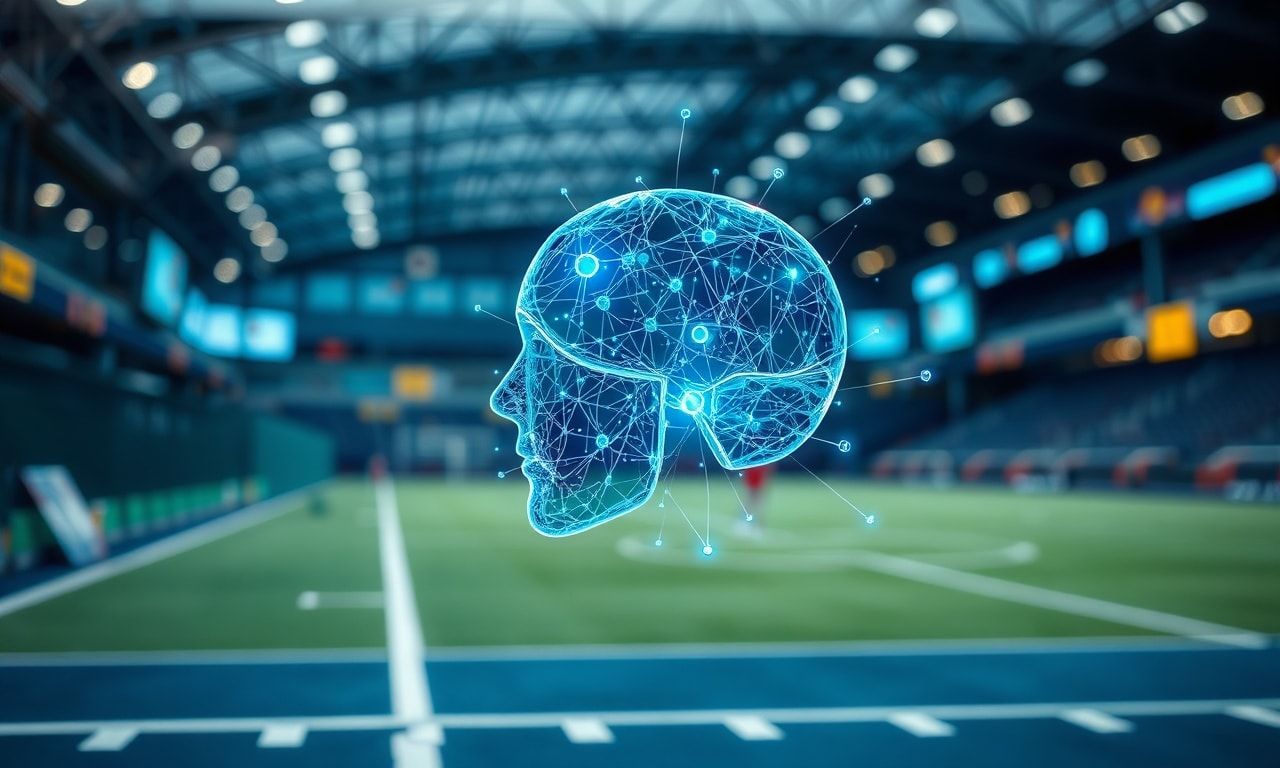
The Evolution of Sports Technology
The sports industry has witnessed a significant transformation over the years, largely driven by advancements in technology. From the introduction of instant replay systems to the use of wearable technology, sports have become more data-driven and analytically oriented. This shift has not only enhanced the viewing experience for fans but has also provided athletes and coaches with valuable insights to improve performance and strategy.
The Role of Artificial Intelligence in Sports
Artificial Intelligence (AI) has emerged as a game-changer in the world of sports. AI algorithms are being used to analyze vast amounts of data collected from various sources, including player statistics, game footage, and even social media. This data is then processed to identify patterns and trends that can help teams make informed decisions. For instance, AI can be used to predict the outcome of a game, assess player performance, and even detect potential injuries before they occur.
One of the most exciting applications of AI in sports is the use of computer vision technology. This involves training AI models to analyze video footage and extract valuable information. For example, AI can be used to track the movement of players on the field, identify key moments in a game, and even provide real-time feedback to coaches and players. This technology is already being used in various sports, including basketball, soccer, and tennis, and is expected to become even more prevalent in the coming years.
AI-Powered Wearable Technology
Wearable technology has become increasingly popular in the sports world, with devices such as smartwatches, fitness trackers, and even smart clothing being used to monitor athletes’ performance. These devices collect data on various metrics, including heart rate, speed, and distance traveled. AI algorithms can then be used to analyze this data and provide athletes with personalized feedback and recommendations. For example, AI can be used to suggest the optimal training regimen for an athlete based on their performance data, or to identify areas where they need to improve.
In addition to wearable technology, AI is also being used to enhance the viewing experience for fans. For example, AI-powered virtual reality (VR) systems allow fans to experience games from the perspective of the players, providing a more immersive and engaging experience. AI is also being used to create personalized highlights and summaries of games, allowing fans to quickly catch up on the latest action.
The Future of AI in Sports
The potential applications of AI in sports are vast and varied, and the technology is expected to play an increasingly important role in the industry in the coming years. One area where AI is expected to have a significant impact is in the field of sports medicine. AI algorithms can be used to analyze data from medical tests and scans to identify potential injuries before they occur, allowing coaches and medical staff to take preventive measures. AI can also be used to develop personalized rehabilitation programs for athletes, helping them to recover from injuries more quickly and effectively.
Another area where AI is expected to have a significant impact is in the field of sports broadcasting. AI-powered systems can be used to automate the production of highlights and summaries, allowing broadcasters to focus on providing more in-depth analysis and commentary. AI can also be used to enhance the viewing experience for fans, providing them with real-time statistics and insights during games. For example, AI can be used to track the movement of players on the field and provide fans with real-time updates on their performance.
AI and the Business of Sports
AI is also expected to have a significant impact on the business side of sports. For example, AI algorithms can be used to analyze fan data and identify trends and patterns that can help teams and leagues make informed decisions about marketing, ticket sales, and merchandise. AI can also be used to enhance the fan experience, providing them with personalized recommendations and offers based on their preferences and behavior. For example, AI can be used to suggest the optimal seating arrangement for a fan based on their viewing preferences, or to provide them with personalized merchandise recommendations based on their purchase history.
In addition to these applications, AI is also expected to play a key role in the development of new sports and gaming experiences. For example, AI-powered systems can be used to create realistic and immersive virtual sports experiences, allowing fans to participate in games and competitions from the comfort of their own homes. AI can also be used to develop new types of sports and gaming experiences, such as augmented reality (AR) sports, which combine the physical and digital worlds to create unique and engaging experiences for fans.
Conclusion
The intersection of AI and sports technology is a rapidly evolving field, with new applications and innovations being developed all the time. From enhancing the viewing experience for fans to improving the performance of athletes, AI is expected to play an increasingly important role in the sports industry in the coming years. As the technology continues to evolve, we can expect to see even more exciting and innovative applications of AI in sports, paving the way for a new era of sports technology. For those interested in the latest updates and news in this field, visiting sites like Bakıda günlük idman xəbərləri can provide valuable insights and information.
As technology continues to revolutionize our daily lives, exploring smart cleaning innovations offers a glimpse into the future of domestic automation and AI-driven solutions.
As AI continues to revolutionize various sectors, its impact on weather forecasting is particularly noteworthy; delve into the details with AI’s role in meteorology.
Discover how digital art and animation trends are shaping real-world fashion with our feature on anime’s style impact, a fascinating intersection of pop culture and tech-inspired design.