The Rise of AI in Health Technology
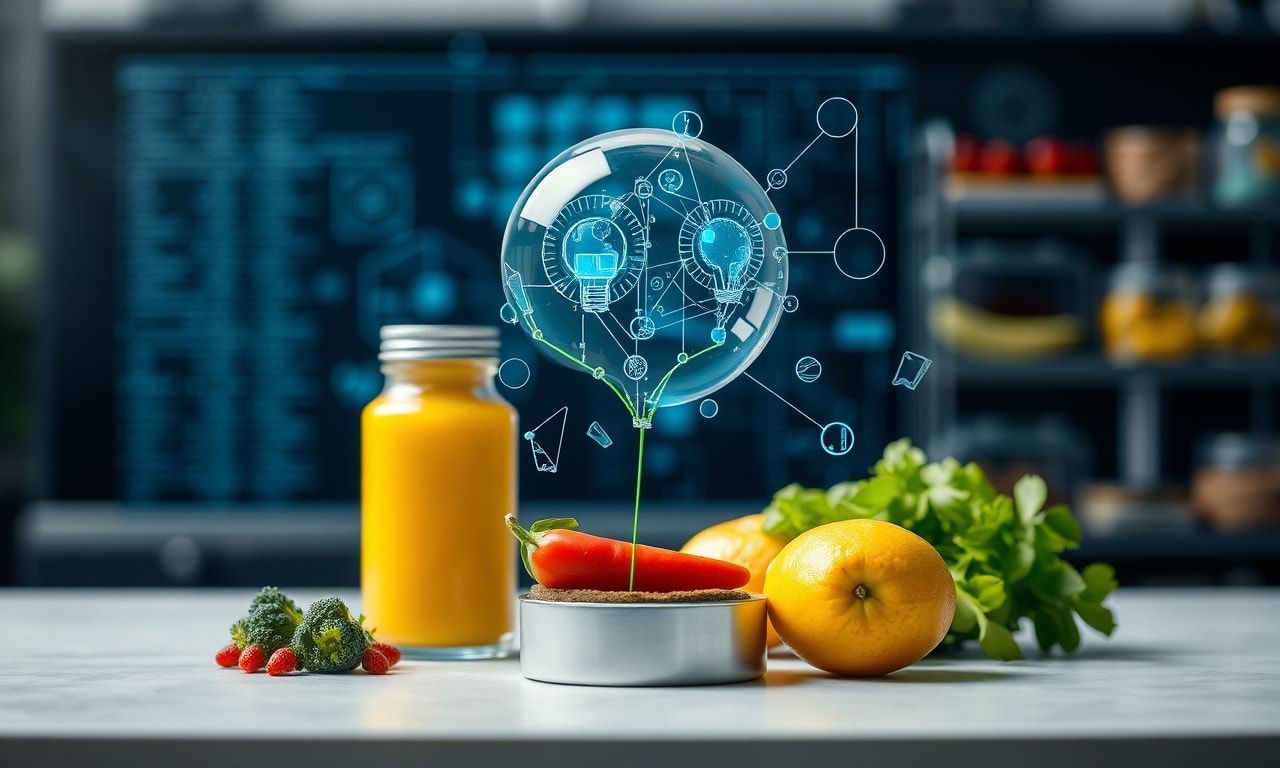
The rapid advancement of artificial intelligence (AI) has permeated various sectors, and the health industry is no exception. AI’s ability to process vast amounts of data and provide actionable insights has led to groundbreaking innovations in health technology. From personalized medicine to predictive analytics, AI is transforming the way we approach health and wellness. One of the most intriguing areas where AI is making a significant impact is in the field of nutrition.
AI-powered nutrition apps and platforms are becoming increasingly popular, offering personalized dietary recommendations based on individual health data. These applications leverage machine learning algorithms to analyze user inputs such as age, weight, activity level, and dietary preferences. By doing so, they can provide tailored meal plans and nutritional advice that cater to specific health goals, whether it’s weight loss, muscle gain, or overall well-being.
The Role of AI in Personalized Nutrition
Personalized nutrition is a concept that has gained traction in recent years, thanks to advancements in AI and data analytics. The idea is to create customized dietary plans that are unique to an individual’s genetic makeup, lifestyle, and health conditions. AI plays a crucial role in this process by analyzing vast datasets to identify patterns and correlations that humans might miss.
For instance, AI algorithms can examine an individual’s genetic information to determine their predisposition to certain health conditions, such as diabetes or heart disease. Based on this information, the algorithms can recommend dietary changes that mitigate these risks. Additionally, AI can track a user’s progress over time, adjusting recommendations as needed to ensure optimal results. This level of personalization was previously unattainable, but AI has made it a reality.
The Impact of AI on Dietary Recommendations
One of the most significant benefits of AI in nutrition is its ability to provide real-time, data-driven dietary recommendations. Traditional dietary guidelines are often based on general population data, which may not be applicable to everyone. AI, on the other hand, can consider a wide range of factors, including an individual’s microbiome, metabolic rate, and even their mental health, to provide more accurate and effective advice.
For example, AI can analyze a user’s microbiome data to identify imbalances that may be causing digestive issues or other health problems. Based on this analysis, the AI can recommend specific foods or supplements that promote a healthier gut microbiome. Similarly, AI can monitor a user’s metabolic rate to determine the optimal macronutrient balance for weight management. This level of detail and precision is revolutionizing the way we think about nutrition and health.
AI and the Future of Nutrition
As AI continues to evolve, its impact on nutrition is expected to grow even more significant. One area of particular interest is the use of AI in predicting future health outcomes based on dietary habits. By analyzing a user’s eating patterns and health data, AI can identify potential health risks and recommend preventive measures before issues arise. This proactive approach to health management has the potential to save lives and improve overall quality of life.
Additionally, AI is being used to develop new food products that cater to specific dietary needs. For instance, AI algorithms can analyze market trends and consumer preferences to identify gaps in the market. This information can then be used to create innovative food products that meet the demands of health-conscious consumers. From plant-based proteins to functional foods, AI is driving the development of the next generation of nutritional products.
The Importance of Staying Informed
While AI is revolutionizing the field of nutrition, it’s essential to stay informed about the latest developments and research. Keeping up-to-date with new health news on high-protein diets and other nutritional trends can help individuals make better choices for their health. Websites like new health news on high-protein diets provide valuable insights into the latest research and trends in nutrition, making it easier for consumers to stay informed.
Moreover, staying informed about the ethical and privacy implications of AI in health technology is crucial. As AI becomes more integrated into our daily lives, it’s essential to understand how our data is being used and what measures are in place to protect our privacy. By staying informed, individuals can make more conscious decisions about their health and well-being.
Conclusion
The intersection of technology and health is a fascinating and rapidly evolving field. AI’s ability to analyze vast amounts of data and provide personalized recommendations is revolutionizing the way we approach nutrition and health. From personalized meal plans to predictive analytics, AI is transforming the health industry and paving the way for a healthier future. As AI continues to advance, its impact on nutrition will only grow, making it an exciting time for both consumers and health professionals alike.
In the realm of tech and AI-driven innovations, understanding your personal finances is crucial; delve into smart investment strategies today to secure your financial future.
In the midst of tech-driven advancements, it’s crucial to stay informed about community responses to global challenges; check out Liverpool’s cost-of-living initiatives for a glimpse into local support services.
To enhance your riding experience, consider exploring how diet influences adventure performance, a topic gaining traction among tech-savvy adventurers.