The Evolution of Medical Diagnostics
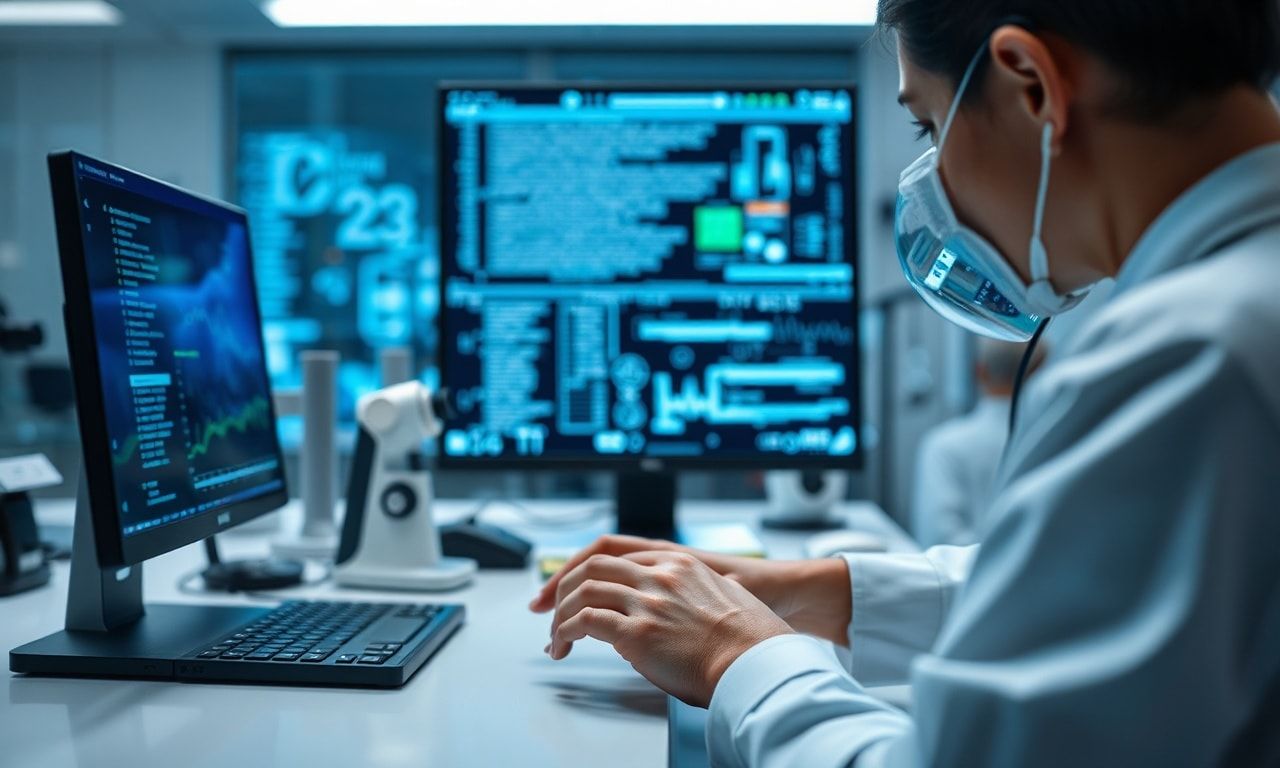
The field of medical diagnostics has seen unprecedented advancements, largely driven by technological innovations. From artificial intelligence (AI) to wearable technology, the healthcare industry is leveraging cutting-edge tools to improve patient outcomes. These advancements are not only enhancing the accuracy of diagnoses but also making healthcare more accessible and efficient.
The Role of Artificial Intelligence in Diagnostics
Artificial Intelligence (AI) has emerged as a game-changer in the realm of medical diagnostics. AI algorithms can analyze vast amounts of medical data, identify patterns, and provide insights that might be missed by human eyes. For instance, AI-powered imaging tools can detect anomalies in X-rays, MRIs, and CT scans with remarkable precision. This technology is also being used to predict patient deterioration, enabling early intervention and potentially saving lives.
Moreover, AI is being integrated into diagnostic software to assist healthcare professionals in making more accurate diagnoses. These tools can process symptoms, medical history, and other relevant data to suggest possible conditions, thereby aiding doctors in their decision-making process. The use of AI in diagnostics is not only improving the speed and accuracy of diagnoses but also reducing the burden on healthcare systems.
AI in Predictive Diagnostics
One of the most promising applications of AI in medical diagnostics is predictive analytics. By analyzing patient data, AI can predict the likelihood of developing certain conditions, such as diabetes, heart disease, or even certain types of cancer. This proactive approach allows for early intervention and preventive measures, significantly improving patient outcomes. For example, AI algorithms can analyze genetic information to identify individuals at risk of hereditary conditions, enabling early monitoring and treatment.
The Impact of Wearable Technology
Wearable technology has revolutionized the way we monitor and manage our health. Devices like smartwatches and fitness trackers can continuously monitor vital signs, such as heart rate, blood pressure, and oxygen levels. This real-time data can be invaluable for diagnosing and managing chronic conditions. For instance, wearable ECG monitors can detect irregular heart rhythms, alerting users and their healthcare providers to potential cardiac issues.
Additionally, wearable technology is being used to monitor patients with chronic conditions, such as diabetes and hypertension. These devices can provide continuous feedback, helping patients manage their conditions more effectively. The data collected by wearables can also be shared with healthcare providers, enabling more personalized and proactive care. As wearable technology continues to evolve, it is expected to play an even more significant role in medical diagnostics and patient care.
Wearables in Remote Patient Monitoring
Remote patient monitoring (RPM) is another area where wearable technology is making a significant impact. RPM involves the use of wearable devices to monitor patients remotely, allowing healthcare providers to track their health status in real-time. This is particularly beneficial for patients with chronic conditions or those recovering from surgery, as it enables early detection of complications and timely intervention.
For example, wearable devices can monitor patients undergoing a hair transplant for anemia patients, ensuring that they are recovering as expected and alerting healthcare providers to any potential issues. This proactive approach not only improves patient outcomes but also reduces the need for hospital visits, making healthcare more accessible and convenient.
The Future of Medical Diagnostics
The future of medical diagnostics looks promising, with ongoing advancements in AI, wearable technology, and other innovative tools. As these technologies continue to evolve, we can expect to see even more accurate, efficient, and personalized diagnostic solutions. The integration of these technologies into healthcare systems will not only improve patient outcomes but also make healthcare more accessible and affordable.
Moreover, the use of big data and machine learning algorithms will enable healthcare providers to analyze vast amounts of medical data, identifying trends and patterns that can inform diagnostic and treatment decisions. This data-driven approach will enable more personalized and effective care, ultimately improving patient outcomes and reducing healthcare costs.
Emerging Technologies in Diagnostics
Emerging technologies, such as nanotechnology and biotechnology, are also expected to play a significant role in the future of medical diagnostics. Nanotechnology, for instance, involves the use of tiny devices to diagnose and treat medical conditions at the cellular level. These devices can detect diseases at an early stage, enabling early intervention and improving patient outcomes.
Biotechnology, on the other hand, involves the use of biological systems to develop diagnostic tools and treatments. For example, biotech companies are developing diagnostic tests that can detect diseases using biological markers, such as proteins or genes. These tests are not only more accurate but also faster and more cost-effective than traditional diagnostic methods.
Conclusion
The intersection of technology and health is paving the way for innovative solutions in medical diagnostics. From AI-powered imaging tools to wearable technology, these advancements are transforming the way we diagnose and manage medical conditions. As these technologies continue to evolve, we can expect to see even more accurate, efficient, and personalized diagnostic solutions, ultimately improving patient outcomes and making healthcare more accessible and affordable.
Discover how to transform your home into a secure and eco-friendly space with cutting-edge home tech solutions, leveraging the latest in AI and smart gadgets.
In our fast-paced tech-driven world, finding balance is crucial; explore how mindfulness boosts daily productivity and enhances focus in high-pressure environments.
In the rapidly evolving tech landscape, it’s crucial to stay informed about your legal rights; discover more in our guide to legal awareness.