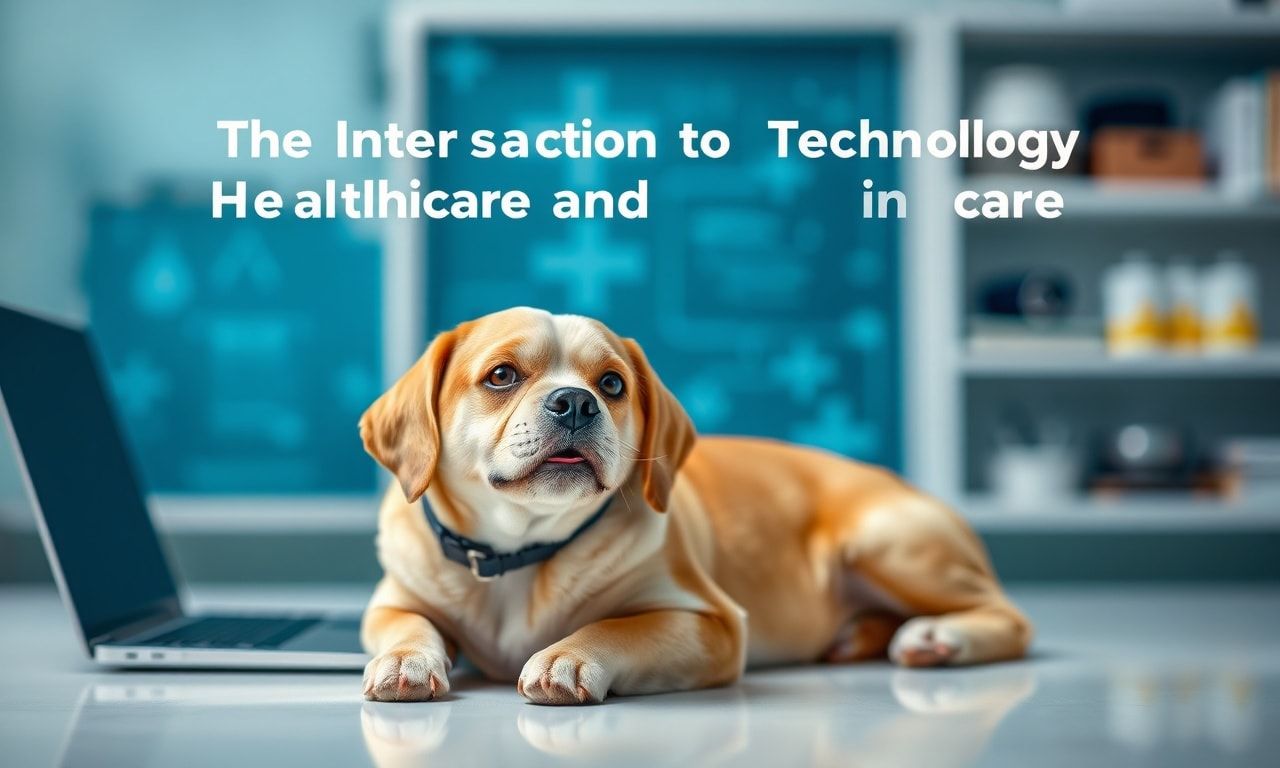
The Evolution of Pet Care Technology
The healthcare industry has seen tremendous advancements in recent years, thanks to technological innovations. One area that has benefited significantly is pet care. From AI-driven diagnostics to advanced surgical procedures, technology is revolutionizing the way we care for our furry friends. This article explores some of the most groundbreaking technologies in pet healthcare, highlighting how they improve the quality of life for both pets and their owners.
AI and Machine Learning in Veterinary Diagnostics
Artificial Intelligence (AI) and machine learning are transforming the field of veterinary diagnostics. These technologies enable veterinarians to detect diseases at an early stage, often before symptoms become apparent. AI algorithms can analyze vast amounts of data from medical records, imaging, and laboratory tests to provide accurate diagnoses. This not only speeds up the diagnostic process but also increases the accuracy of the results, leading to better treatment outcomes. For instance, AI-powered tools can detect subtle changes in X-rays or ultrasound images that might be missed by the human eye.
Moreover, AI can assist in predicting potential health issues based on a pet’s genetic makeup and lifestyle. This proactive approach allows pet owners to take preventive measures, ensuring their pets lead healthier lives. The integration of AI in veterinary care is a testament to the potential of technology to enhance healthcare outcomes.
The Role of Robotics in Veterinary Surgery
Robotic surgery has made significant strides in human medicine, and its benefits are now extending to veterinary care. Robotic systems offer precision and flexibility that surpass traditional surgical methods. These systems allow veterinarians to perform complex surgeries with minimal invasion, reducing recovery time and improving the overall success rate. For example, robotic-assisted surgeries can be used for procedures like joint replacements, tumor removals, and spinal surgeries, providing pets with a higher quality of life post-operation.
Additionally, robotic systems can be used for remote surgeries, enabling specialists to perform operations on pets located in different geographical areas. This is particularly beneficial for pets in rural areas where access to specialized veterinary care might be limited. The use of robotics in veterinary surgery is a prime example of how technology can bridge gaps in healthcare delivery.
Telemedicine and Remote Monitoring
Telemedicine has become a cornerstone of modern healthcare, and its applications in veterinary care are equally transformative. Pet owners can now consult with veterinarians remotely, receiving advice and diagnoses without the need for physical visits. This is particularly useful for minor ailments or follow-up consultations, saving time and reducing stress for both pets and owners.
Remote monitoring devices are another technological innovation that is changing the landscape of pet care. These devices can track a pet’s vital signs, activity levels, and even dietary habits, providing valuable data to veterinarians. For instance, wearable devices can monitor a pet’s heart rate, respiratory rate, and activity levels, alerting owners and veterinarians to any abnormalities. This continuous monitoring ensures that pets receive timely medical attention, preventing potential health crises.
Technological Innovations in Pet Sterilization
Sterilization is a crucial aspect of pet care, and technological advancements have made this procedure safer and more efficient. Modern sterilization techniques, such as laparoscopic surgery, offer minimal invasion and faster recovery times. These methods use small incisions and specialized instruments to perform the procedure, reducing the risk of complications and ensuring a smoother recovery for the pet.
For those looking for professional sterilization services, it’s important to consult with a reputable veterinary clinic. For example, if you’re in Berlin and need a reliable veterinarian for sterilization, you might consider visiting a clinic that specializes in advanced surgical techniques. You can find more information about such services by visiting Berlin Tierarzt Sterilisation.
The Future of Pet Care Technology
The future of pet care technology is bright, with ongoing research and development paving the way for even more innovative solutions. Emerging technologies like nanotechnology, biotechnology, and advanced AI algorithms promise to revolutionize pet healthcare further. For instance, nanotechnology could enable the development of targeted drug delivery systems, ensuring that medications are delivered directly to the affected areas, minimizing side effects.
Biotechnology, on the other hand, could lead to the development of new treatments and therapies for genetic disorders in pets. Advanced AI algorithms could enhance diagnostic accuracy and predictive capabilities, allowing veterinarians to provide personalized treatment plans tailored to each pet’s unique needs. As technology continues to evolve, the possibilities for improving pet healthcare are endless.
Conclusion
The intersection of technology and healthcare is transforming the way we care for our pets. From AI-driven diagnostics to robotic surgeries and remote monitoring, these innovations are enhancing the quality of life for pets and their owners. As we look to the future, the continued integration of technology in veterinary care promises even greater advancements, ensuring that our beloved pets receive the best possible care. Embracing these technological innovations is not just about keeping up with the times; it’s about providing the best possible life for our furry companions.
As cyber threats continue to evolve, it’s crucial to stay informed about the latest advancements in email security. Check out securing your Gmail account to learn how to protect your digital communications effectively.