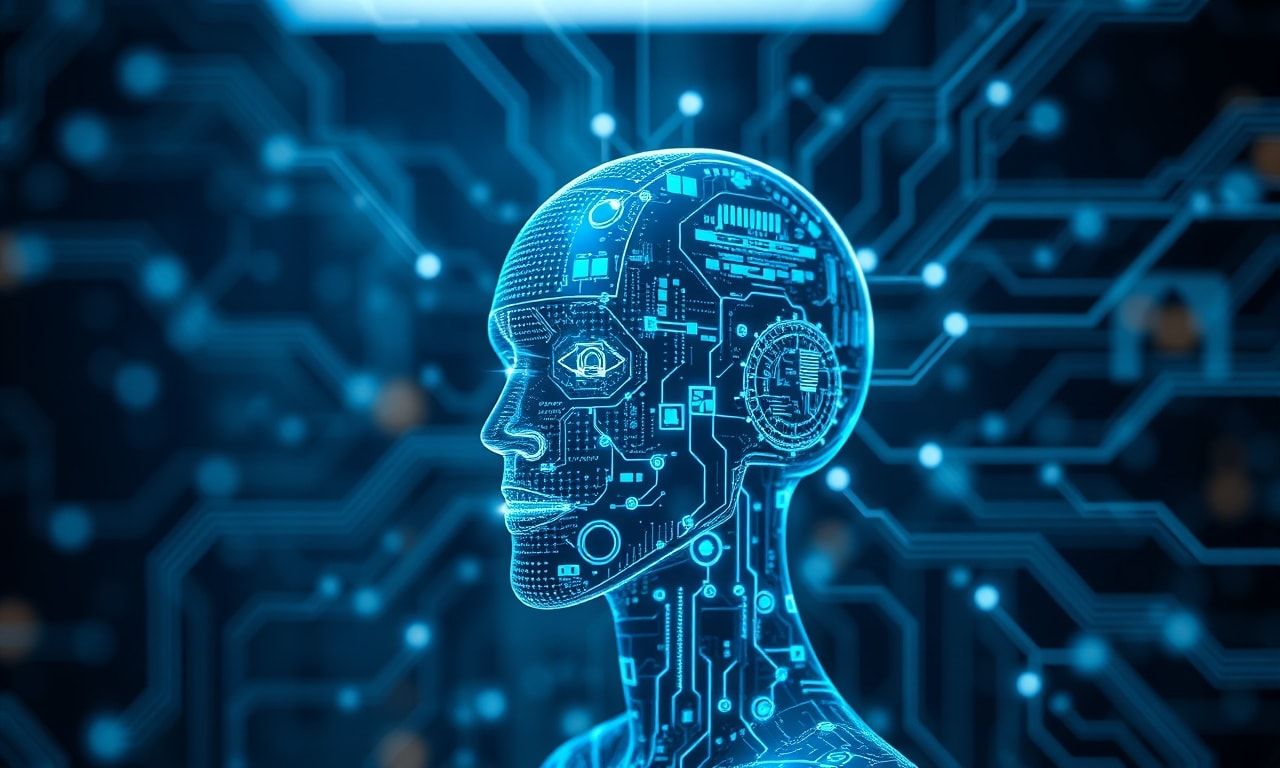
The Evolving Landscape of Cybersecurity
The digital age has brought about unprecedented advancements in technology, but it has also given rise to sophisticated cyber threats. As businesses and individuals increasingly rely on digital platforms, the need for robust cybersecurity measures has become paramount. Traditional security protocols are no longer sufficient to counter the evolving tactics of cybercriminals. This has led to a significant shift in the cybersecurity landscape, with artificial intelligence (AI) emerging as a game-changer.
The Role of AI in Cybersecurity
AI’s ability to process vast amounts of data and identify patterns makes it an invaluable tool in the fight against cyber threats. Machine learning algorithms can analyze network traffic, detect anomalies, and predict potential security breaches with remarkable accuracy. By leveraging AI, organizations can enhance their threat detection capabilities, reduce response times, and mitigate risks more effectively. Moreover, AI-driven cybersecurity solutions can adapt and learn from new threats, continuously improving their defensive strategies.
One of the most significant advantages of AI in cybersecurity is its ability to automate routine tasks. This frees up cybersecurity professionals to focus on more complex issues, thereby optimizing resource allocation. AI can also be used to simulate cyber attacks, helping organizations identify vulnerabilities and strengthen their defenses. This proactive approach is crucial in an era where cyber threats are becoming increasingly sophisticated and frequent.
AI-Powered Threat Detection
AI-powered threat detection systems use advanced algorithms to monitor network activity in real-time. These systems can identify suspicious behavior, such as unusual login attempts or data exfiltration, and alert security teams to potential threats. By analyzing historical data, AI can also predict future attack vectors, allowing organizations to preemptively strengthen their defenses. This predictive capability is a significant advancement over traditional security measures, which often rely on reactive strategies.
Furthermore, AI can be integrated with other security technologies, such as intrusion detection systems (IDS) and intrusion prevention systems (IPS), to create a comprehensive defense strategy. This integration enables organizations to detect and respond to threats more quickly, reducing the impact of cyber attacks. As AI continues to evolve, its role in cybersecurity will become even more critical, providing organizations with the tools they need to stay ahead of cybercriminals.
The Future of AI in Cybersecurity
The future of AI in cybersecurity looks promising, with ongoing research and development paving the way for more advanced and effective security solutions. For instance, AI can be used to develop adaptive security architectures that can dynamically adjust to changing threat landscapes. This adaptability is crucial in an environment where cyber threats are constantly evolving. Additionally, AI can be used to enhance identity and access management (IAM) systems, ensuring that only authorized users can access sensitive data.
As AI technology continues to advance, we can expect to see even more innovative applications in the field of cybersecurity. For example, AI-driven natural language processing (NLP) can be used to analyze and interpret cyber threat intelligence reports, providing security teams with valuable insights. This can help organizations stay informed about the latest threats and develop more effective defense strategies. Furthermore, AI can be used to automate incident response, enabling organizations to contain and mitigate cyber attacks more quickly.
The Importance of Staying Informed
In the rapidly evolving world of technology, staying informed about the latest trends and developments is crucial. Websites like Technologie Nachrichten neueste Trends provide valuable insights into the latest advancements in AI and cybersecurity, helping professionals stay ahead of the curve. By keeping abreast of the latest trends, organizations can ensure that their security measures are up-to-date and effective.
Emerging Trends in AI and Cybersecurity
The field of AI and cybersecurity is constantly evolving, with new trends emerging all the time. For example, the use of AI in threat hunting is becoming increasingly popular. Threat hunting involves proactively searching for potential threats within a network, rather than waiting for them to manifest. AI can enhance this process by analyzing vast amounts of data and identifying patterns that may indicate a potential threat.
Another emerging trend is the use of AI in endpoint detection and response (EDR). EDR solutions use AI to monitor endpoints, such as laptops and mobile devices, for signs of malicious activity. By analyzing endpoint data, AI can identify potential threats and alert security teams, enabling them to respond more quickly. This proactive approach is crucial in an era where cyber attacks are becoming increasingly sophisticated and frequent.
Conclusion
The convergence of AI and cybersecurity represents a new frontier in digital defense. By leveraging the power of AI, organizations can enhance their threat detection capabilities, reduce response times, and mitigate risks more effectively. As AI technology continues to advance, we can expect to see even more innovative applications in the field of cybersecurity. Staying informed about the latest trends and developments is crucial, and websites like Technologie Nachrichten neueste Trends provide valuable insights into the latest advancements in AI and cybersecurity. By keeping abreast of the latest trends, organizations can ensure that their security measures are up-to-date and effective, enabling them to stay ahead of cybercriminals in an ever-evolving digital landscape.