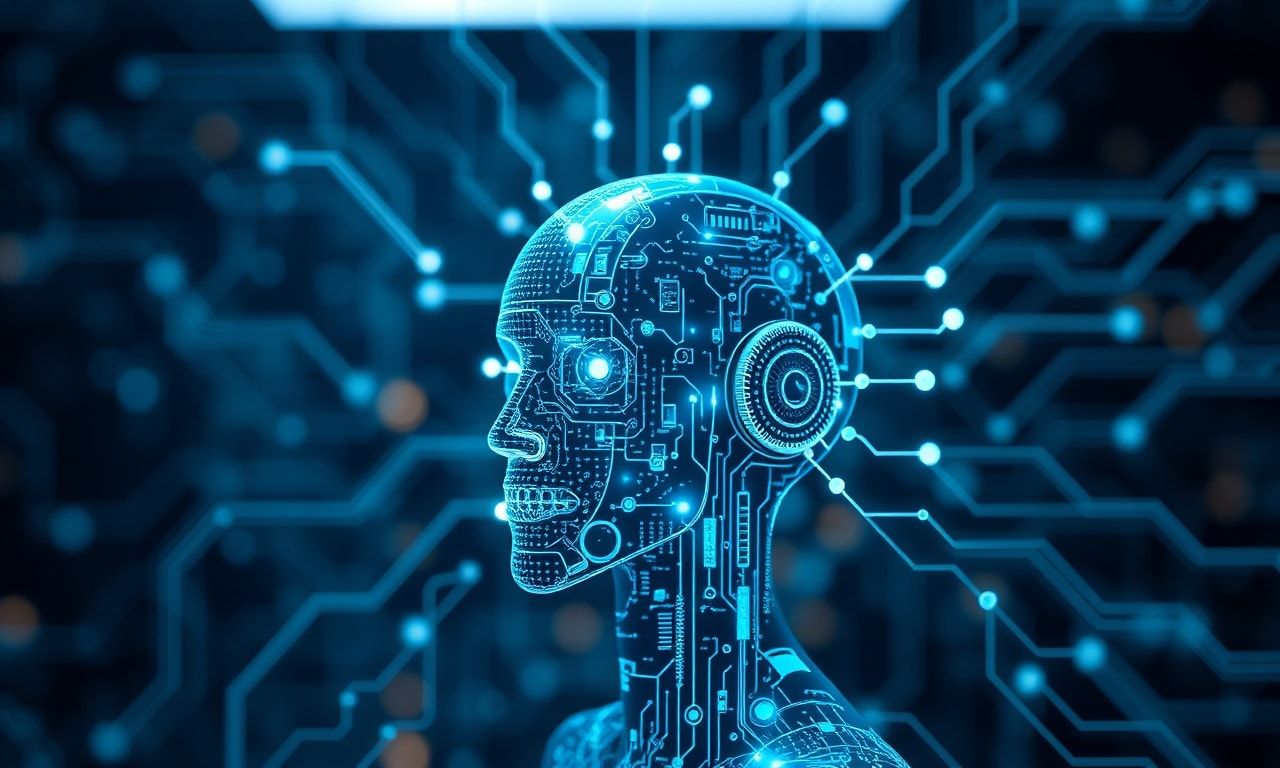
The Evolution of Cybersecurity
The landscape of cybersecurity has undergone a profound transformation over the past decade. As technology advances, so do the tactics of cybercriminals. Traditional security measures, such as firewalls and antivirus software, are no longer sufficient to combat the sophisticated threats that organizations face today. The rise of artificial intelligence (AI) has opened new avenues for defense, providing a proactive approach to cybersecurity that can adapt and evolve with the threat landscape.
AI’s ability to analyze vast amounts of data in real-time allows it to identify patterns and anomalies that would be impossible for human analysts to detect. This capability is crucial in a world where cyberattacks are becoming increasingly complex and frequent. According to a recent crime news report today, the number of cyber incidents has surged, highlighting the urgent need for advanced security solutions.
The Role of AI in Modern Cybersecurity
AI’s integration into cybersecurity has revolutionized the way organizations protect their digital assets. Machine learning algorithms can learn from past attacks and use this knowledge to predict and prevent future threats. This predictive capability is a game-changer, as it enables security systems to anticipate and neutralize threats before they can cause damage.
One of the most significant advantages of AI in cybersecurity is its ability to automate routine tasks. This automation frees up human analysts to focus on more complex and strategic aspects of security. For example, AI can continuously monitor network traffic, identify suspicious activities, and alert security teams to potential threats. This proactive approach significantly reduces the response time to cyber incidents, minimizing the impact of attacks.
AI-Powered Threat Detection
AI-powered threat detection systems use advanced algorithms to analyze network traffic and identify potential threats. These systems can detect anomalies in real-time, such as unusual login attempts or data exfiltration, and take immediate action to mitigate the risk. By leveraging machine learning, these systems can continuously improve their accuracy and effectiveness, making them an invaluable tool in the fight against cybercrime.
In addition to real-time monitoring, AI can also analyze historical data to identify trends and patterns that may indicate a potential threat. This predictive analytics capability allows organizations to proactively address vulnerabilities before they can be exploited. By integrating AI into their security infrastructure, organizations can significantly enhance their ability to detect and respond to cyber threats.
The Future of AI in Cybersecurity
The future of AI in cybersecurity looks promising, with ongoing advancements in machine learning and data analytics. As AI technology continues to evolve, it will become an even more powerful tool in the fight against cybercrime. Organizations that invest in AI-powered security solutions will be better equipped to protect their digital assets and stay ahead of emerging threats.
One of the most exciting developments in AI and cybersecurity is the use of natural language processing (NLP) to analyze and interpret human language. This capability allows AI systems to understand and respond to cyber threats in a more human-like manner, making them more effective at detecting and mitigating complex attacks. As NLP technology continues to improve, it will play an increasingly important role in cybersecurity.
Challenges and Considerations
While AI offers numerous benefits for cybersecurity, it also presents certain challenges and considerations. One of the main concerns is the potential for AI systems to be exploited by cybercriminals. As AI technology becomes more advanced, it is essential to ensure that these systems are secure and resilient against attacks. Organizations must implement robust security measures to protect their AI systems from manipulation and misuse.
Another challenge is the ethical implications of using AI in cybersecurity. As AI systems become more autonomous, it is crucial to ensure that they operate within ethical boundaries and respect privacy rights. Organizations must establish clear guidelines and policies to govern the use of AI in cybersecurity and ensure that these systems are used responsibly.
Conclusion
The intersection of AI and cybersecurity represents a new frontier in digital defense. As cyber threats continue to evolve, AI provides a powerful tool for detecting and mitigating these threats. By leveraging AI’s predictive capabilities and automation, organizations can enhance their security posture and stay ahead of emerging threats. However, it is essential to address the challenges and ethical considerations associated with AI to ensure its responsible and effective use in cybersecurity.