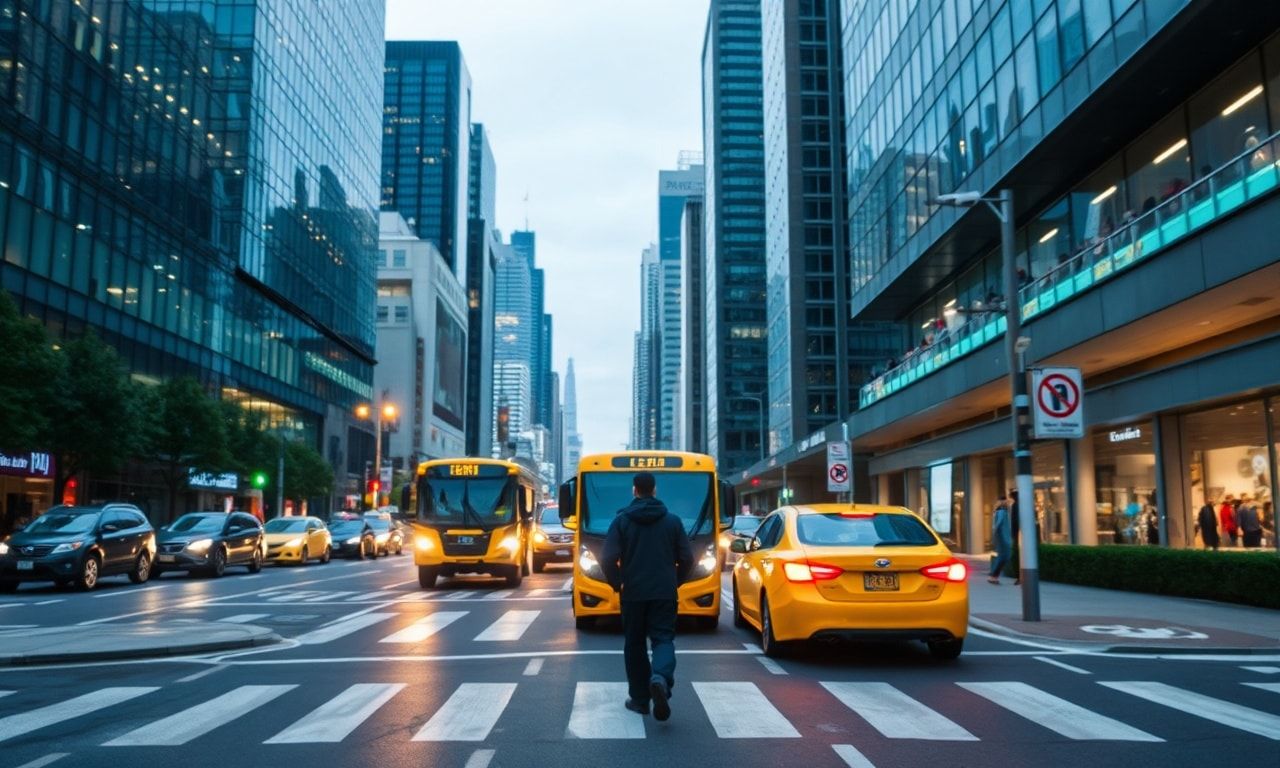
The Evolution of Smart Cities
The concept of smart cities has been gaining traction over the past decade, driven by rapid advancements in technology and the increasing need for sustainable urban development. Smart cities leverage data and technology to improve the quality of life for their residents, enhance urban services, and promote economic growth. From intelligent traffic management systems to advanced public safety measures, the integration of technology into urban infrastructure is revolutionizing the way cities operate.
Key Components of Smart Cities
Smart cities are built on several key components, including:
- Internet of Things (IoT) Devices: Sensors and devices that collect and transmit data to improve urban services.
- Data Analytics: The use of big data and analytics to derive insights and make informed decisions.
- Artificial Intelligence (AI): AI algorithms that enable predictive maintenance, traffic optimization, and public safety enhancements.
- Cybersecurity: Robust security measures to protect data and infrastructure from cyber threats.
The Role of Technology in Urban Safety
One of the most critical aspects of smart cities is the enhancement of urban safety. Technology plays a pivotal role in this area, providing tools and systems that help prevent crime, respond to emergencies, and ensure the well-being of residents. For instance, smart surveillance systems equipped with AI can detect suspicious activities and alert authorities in real-time. Similarly, data-driven crime prediction models can help law enforcement agencies allocate resources more effectively.
In cities like Sheffield, the integration of technology into urban safety measures has shown promising results. According to a recent Sheffield crime report update, the implementation of smart surveillance and data analytics has led to a significant reduction in crime rates. This underscores the potential of technology to transform urban safety and improve the quality of life for residents.
Case Studies: Smart Cities Leading the Way
Several cities around the world are at the forefront of smart city innovations, setting examples for others to follow. Here are a few notable case studies:
Singapore: A Global Leader in Smart Urban Development
Singapore is often cited as a global leader in smart city development. The city-state has invested heavily in IoT infrastructure, data analytics, and AI to create a seamless and efficient urban environment. For example, Singapore’s Smart Nation initiative aims to harness technology to improve urban mobility, public safety, and environmental sustainability. The city’s use of smart sensors and data analytics has led to significant improvements in traffic management and public safety.
Barcelona: Pioneering Smart Urban Solutions
Barcelona, Spain, is another city that has made significant strides in smart urban development. The city has implemented a range of smart solutions, including intelligent street lighting, smart waste management, and advanced public transportation systems. Barcelona’s smart city initiatives have not only improved the quality of life for residents but also reduced energy consumption and environmental impact.
The Future of Smart Cities
The future of smart cities looks promising, with rapid advancements in technology paving the way for even more innovative solutions. Emerging technologies such as 5G, edge computing, and quantum computing are expected to further enhance the capabilities of smart cities, enabling real-time data processing, improved connectivity, and advanced security measures.
As smart cities continue to evolve, it is crucial to address the challenges associated with data privacy, cybersecurity, and digital inclusion. Ensuring that the benefits of smart city technologies are accessible to all residents, regardless of their socioeconomic status, will be key to creating truly inclusive and sustainable urban environments.
Conclusion
The integration of technology into urban infrastructure is transforming the way cities operate, enhancing urban safety, and improving the quality of life for residents. From smart surveillance systems to data-driven crime prediction models, technology is playing a pivotal role in creating safer and more sustainable cities. As we look to the future, the continued evolution of smart city technologies will be essential in addressing the challenges of urbanization and creating inclusive, resilient, and sustainable urban environments.
To understand how tech advancements are reshaping societies, dive into local communities and technological progress, an insightful exploration of the subject.
Curious about the next big thing in tech? Discover what’s on the horizon with future tech trends explained, covering AI, cybersecurity, and more.
Discover how military personnel are integrating tech-driven hobbies into their lives with our latest feature, defense meets leisure innovations, showcasing the impact of gadgets and AI on their downtime.