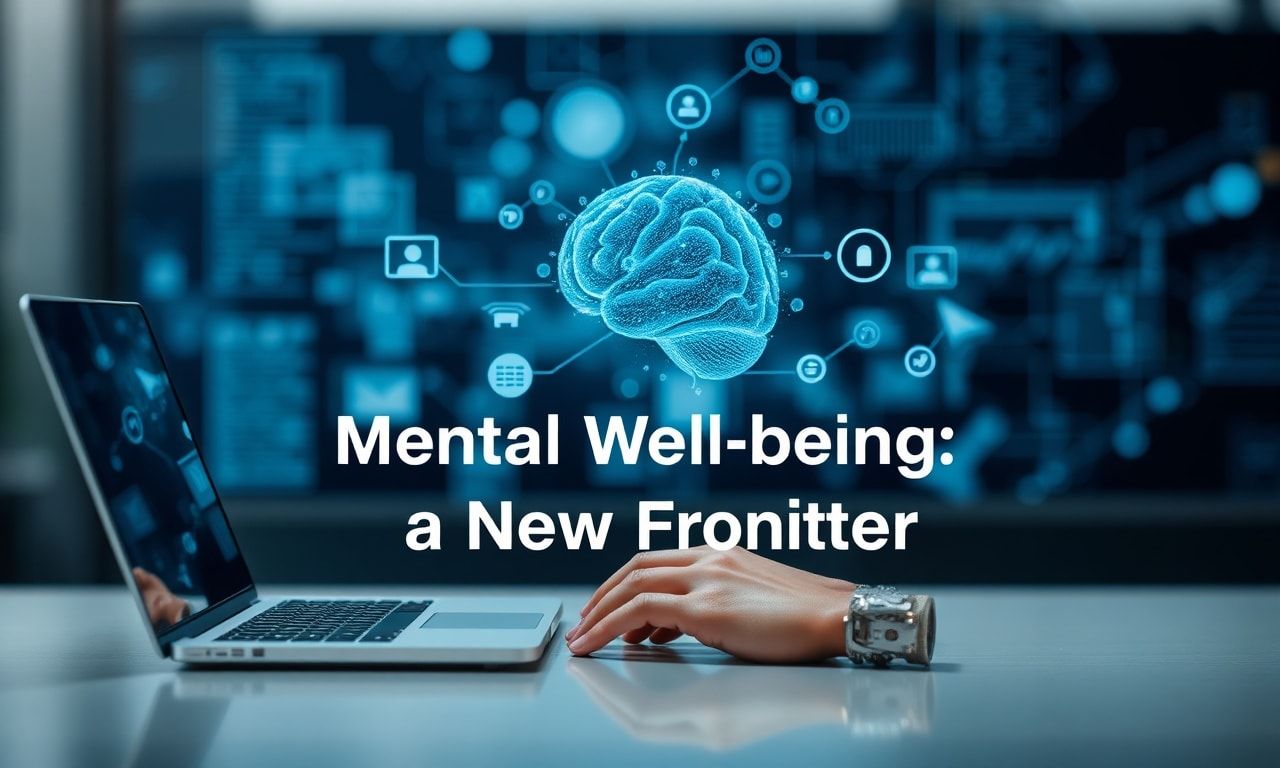
The Digital Age and Mental Health
The rapid advancement of technology has brought about significant changes in our daily lives, revolutionizing the way we communicate, work, and entertain ourselves. However, the digital age has also introduced new challenges, particularly in the realm of mental health. The constant connectivity and information overload can lead to stress, anxiety, and burnout. As a result, there is a growing interest in leveraging technology to promote mental well-being and mindfulness.
Mindfulness and Technology: A Symbiotic Relationship
Mindfulness, the practice of maintaining a moment-by-moment awareness of our thoughts, feelings, bodily sensations, and surrounding environment, has been shown to reduce stress and improve overall mental health. Technology can play a crucial role in making mindfulness practices more accessible and engaging. From mobile apps to wearable devices, technology is helping individuals incorporate mindfulness into their daily routines.
For beginners, a mindfulness meditation beginners guide can be an invaluable resource. These guides often provide step-by-step instructions, tips, and techniques to help individuals get started on their mindfulness journey. Additionally, technology can enhance the effectiveness of these guides by offering interactive features, personalized recommendations, and progress tracking.
Innovative Technologies for Mindfulness
Several innovative technologies are emerging to support mindfulness practices. Here are a few notable examples:
Mobile Applications
Mobile apps like Headspace, Calm, and Insight Timer offer guided meditations, mindfulness exercises, and sleep stories. These apps often include features such as progress tracking, reminders, and personalized recommendations to help users stay consistent with their mindfulness practice.
Wearable Devices
Wearable devices like smartwatches and fitness trackers can monitor physiological indicators of stress, such as heart rate variability and skin conductance. By providing real-time feedback, these devices can help users become more aware of their stress levels and take proactive steps to manage them. Some wearables also offer guided breathing exercises and mindfulness reminders.
Virtual Reality (VR)
Virtual reality technology is being used to create immersive mindfulness experiences. VR apps like Guided Meditation VR and Tripp offer users the opportunity to practice mindfulness in virtual environments that are designed to promote relaxation and focus. These apps can be particularly beneficial for individuals who find it challenging to practice mindfulness in their everyday surroundings.
The Role of Artificial Intelligence in Mental Well-being
Artificial intelligence (AI) is playing an increasingly important role in the field of mental health. AI-powered chatbots and virtual assistants can provide personalized support and guidance to individuals struggling with mental health issues. These tools can offer a safe and non-judgmental space for users to express their thoughts and feelings, and they can provide evidence-based strategies for managing stress, anxiety, and depression.
AI can also be used to analyze large datasets to identify patterns and trends in mental health. This information can be used to develop more effective interventions and treatments, and to improve the overall quality of mental health care. Additionally, AI can help to bridge the gap between mental health professionals and individuals in need of support, particularly in underserved communities.
The Future of Technology and Mental Well-being
The future of technology and mental well-being is bright. As technology continues to advance, we can expect to see even more innovative solutions for promoting mental health and well-being. From AI-powered mental health apps to VR mindfulness experiences, technology has the potential to transform the way we approach mental health.
However, it is important to remember that technology is just one tool in the toolkit for promoting mental well-being. It should be used in conjunction with other evidence-based strategies, such as therapy, exercise, and social support. By taking a holistic approach to mental health, we can ensure that technology is used in a way that is safe, effective, and beneficial for all.
Discover how modern tech innovations are fostering connections in our latest feature, tech’s role in uniting communities.
As technology continues to shape our cities, discover how NYC embraces smart sustainability with innovative solutions and digital advancements.
As smart homes become increasingly integrated with AI and IoT, understanding the latest developments is crucial; explore the future of smart home innovations in our comprehensive guide.