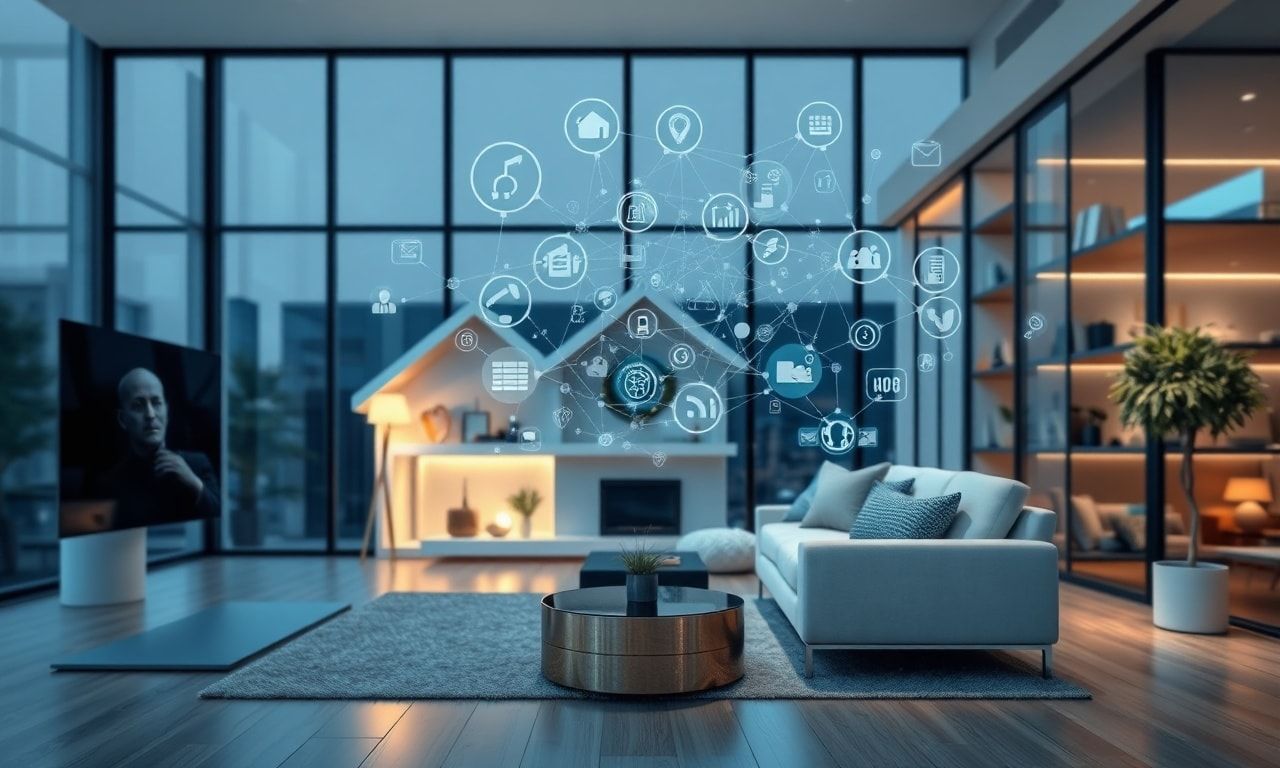
The Evolution of Smart Homes
The real estate industry has witnessed a significant transformation with the advent of smart home technology. These innovations have not only enhanced the living experience but also revolutionized property management. Smart homes, equipped with internet-connected devices, offer unprecedented control over security, energy efficiency, and convenience. From smart thermostats that learn your preferences to advanced security systems that provide real-time alerts, technology is reshaping how we interact with our living spaces.
The Role of AI in Property Management
Artificial Intelligence (AI) is playing a pivotal role in the property management sector. AI-driven algorithms can analyze vast amounts of data to predict maintenance issues before they become critical, thereby reducing downtime and costs. Additionally, AI-powered chatbots are being used to handle tenant inquiries, providing instant responses and improving overall satisfaction. The integration of AI in property management is not just a trend; it’s a necessity for staying competitive in the modern real estate market.
Predictive Maintenance
One of the most significant advantages of AI in property management is predictive maintenance. By analyzing data from various sensors and devices within a property, AI can predict when maintenance is required. This proactive approach helps in preventing major breakdowns and ensures that properties remain in top condition. For instance, AI can monitor the performance of HVAC systems, plumbing, and electrical systems, alerting management before a failure occurs. This not only saves costs but also enhances the overall living experience for tenants.
Enhanced Security Measures
Security is a top priority for both property owners and tenants. AI-powered security systems offer advanced features such as facial recognition, motion detection, and real-time alerts. These systems can differentiate between routine activities and potential threats, providing a higher level of security. Moreover, AI can analyze patterns and detect anomalies, offering a proactive approach to security management. This integration of AI in security systems ensures that properties are safe and secure at all times.
The Impact of Technology on Housing Market Trends
The technology sector’s influence extends beyond individual properties to the broader housing market. The rise of smart homes and AI-driven property management has led to a shift in market trends. Buyers and renters are increasingly looking for properties equipped with the latest technology. This demand has driven property developers to incorporate smart features into their projects. Additionally, the availability of data and analytics has made it easier for investors to make informed decisions. Understanding these trends is crucial for anyone involved in the real estate market.
For instance, the Qatar housing market rent prices have seen a significant impact due to the integration of smart home technologies. Properties equipped with advanced features command higher rents and attract more tenants. This trend highlights the importance of staying updated with technological advancements in the real estate sector.
The Future of Smart Homes and AI in Real Estate
The future of smart homes and AI in real estate looks promising. As technology continues to evolve, we can expect even more innovative solutions to emerge. For example, the integration of the Internet of Things (IoT) with AI will enable seamless communication between devices, creating a fully automated living environment. Additionally, the use of big data and machine learning will provide deeper insights into market trends and tenant behavior, allowing for more strategic decision-making.
Sustainable Living
Sustainability is another area where technology is making a significant impact. Smart homes equipped with energy-efficient devices and renewable energy sources are becoming increasingly popular. These homes not only reduce the carbon footprint but also offer long-term cost savings. The integration of AI in managing energy consumption ensures that resources are used efficiently, contributing to a more sustainable future.
Virtual and Augmented Reality
Virtual Reality (VR) and Augmented Reality (AR) are also transforming the real estate industry. Potential buyers and renters can now take virtual tours of properties, providing a realistic experience without the need for physical visits. This technology is particularly useful for international buyers who may not be able to visit properties in person. Additionally, AR can be used to visualize renovations and design changes, helping clients make informed decisions.
Conclusion
The intersection of technology and real estate is creating exciting opportunities for both property owners and tenants. From smart homes to AI-driven property management, the advancements in technology are reshaping the industry. Understanding these trends and embracing technological innovations is crucial for staying competitive in the ever-evolving real estate market. As we look to the future, the integration of AI, IoT, and sustainable technologies will continue to drive the real estate sector forward, offering new possibilities and enhancing the living experience for all.