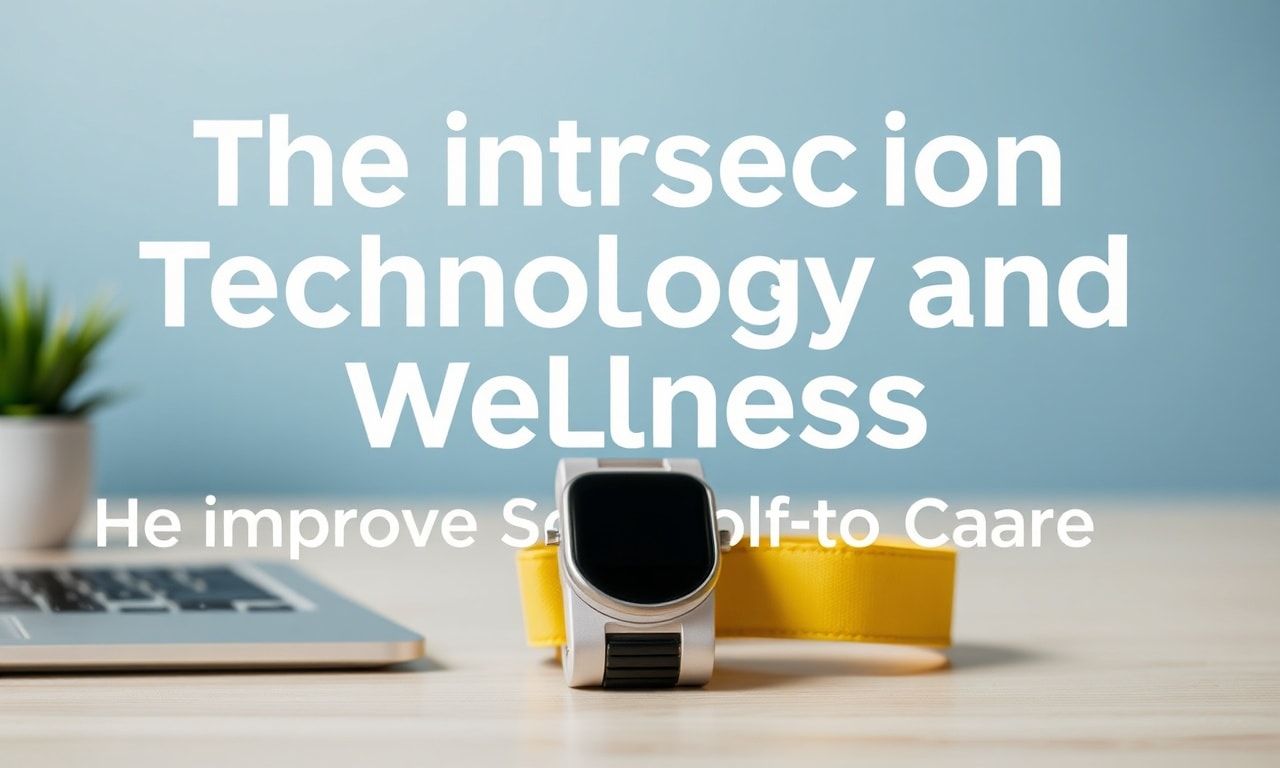
The Evolution of Self-Care in the Digital Age
The digital age has brought about a significant shift in how we approach self-care. With the advent of innovative technologies, the concept of self-care has evolved from simple routines to a more personalized and tech-driven experience. From smart devices to AI-powered applications, technology is playing a pivotal role in enhancing our well-being. In this article, we explore how tech innovations are transforming self-care routines and why they are becoming an integral part of our daily lives.
The Role of Smart Devices in Self-Care
Smart devices have revolutionized the way we take care of ourselves. These gadgets, equipped with advanced sensors and AI capabilities, can monitor various aspects of our health and provide real-time feedback. For instance, smartwatches and fitness trackers can track heart rate, sleep patterns, and physical activity, helping users make informed decisions about their health. Additionally, smart scales can monitor weight and body composition, providing valuable insights into one’s fitness journey. These devices not only make self-care more convenient but also more effective.
Personalized Wellness Solutions
One of the most significant advantages of smart devices is their ability to offer personalized wellness solutions. By analyzing data collected from these devices, AI algorithms can provide tailored recommendations for exercise, diet, and even mental health practices. For example, a smartwatch might suggest a specific workout routine based on the user’s fitness level and goals. Similarly, a smart scale might recommend dietary changes to help achieve weight loss objectives. This level of personalization ensures that self-care routines are not only effective but also sustainable.
AI-Powered Applications for Mental Health
Mental health is a crucial aspect of overall well-being, and AI-powered applications are making significant strides in this area. These applications use natural language processing (NLP) and machine learning to provide users with mental health support. For instance, chatbots like Woebot and Replika offer emotional support and cognitive-behavioral therapy (CBT) techniques to help users manage stress, anxiety, and depression. These applications can also track mood patterns and provide insights into triggers that may be affecting mental health. By integrating these applications into daily routines, users can better manage their mental well-being.
Self-Care Routine Ideas Daily
Incorporating technology into daily self-care routines can significantly enhance their effectiveness. For example, using a smart meditation app like Headspace or Calm can help users establish a consistent meditation practice. These apps offer guided meditations, breathing exercises, and sleep stories to promote relaxation and mindfulness. Additionally, smart home devices like the self care routine ideas daily can create a calming environment by adjusting lighting and playing soothing sounds. By leveraging these technologies, users can create a holistic self-care routine that addresses both physical and mental health.
The Future of Self-Care Technology
The future of self-care technology looks promising, with advancements in AI, IoT, and wearable technology. As these technologies continue to evolve, we can expect even more personalized and effective self-care solutions. For instance, AI algorithms will become more sophisticated in analyzing health data and providing tailored recommendations. Wearable technology will become more advanced, offering real-time health monitoring and feedback. Additionally, the integration of virtual reality (VR) and augmented reality (AR) into self-care routines will provide immersive experiences for relaxation and stress relief.
Cybersecurity and Data Privacy
As self-care technology becomes more prevalent, ensuring the security and privacy of user data is paramount. With the increasing amount of sensitive health information being collected and stored by these devices, robust cybersecurity measures are essential. Manufacturers must prioritize data encryption, secure authentication methods, and regular software updates to protect user information. Additionally, users should be educated on best practices for securing their devices and managing their data. By addressing these concerns, we can ensure that self-care technology remains a safe and trusted tool for enhancing well-being.